...

The Elite's Review – Global Business Magazine

Geopolitics

Geopolitics, Breaking News

Venezuela Earthquake 2026: Rescue Operations, Humanitarian Response & Recovery Efforts

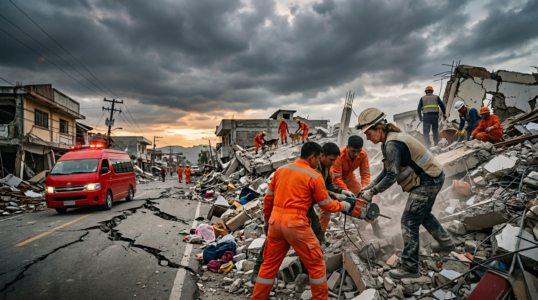
Venezuela Earthquake Disaster: Rescue Efforts Intensify as Humanitarian Response Expands A powerful earthquake has placed Venezuela at the center of international attention, triggering widespread destruction, emergency response efforts, and a growing humanitarian operation. Rescue teams continue searching affected areas while governments, relief organizations, and international partners work together to provide assistance to communities impacted by the disaster. The earthquake has damaged homes, public infrastructure, transportation networks, and essential services in several regions. Emergency responders have been working around the clock to reach affected communities, assess structural damage, and provide life-saving support to those in need. As rescue operations continue, the disaster has become one of the most significant humanitarian stories of the year. Emergency Response Mobilized Within hours of the earthquake, national emergency agencies launched search-and-rescue operations across affected areas. Specialized rescue teams, firefighters, medical personnel, and volunteers were deployed to locate survivors, provide first aid, and secure damaged buildings. Heavy equipment has been used to clear debris while helicopters and emergency vehicles transport injured residents and deliver critical supplies to isolated communities. Authorities continue to urge residents to remain alert for aftershocks and to follow official safety guidance. Humanitarian Organizations Step In International humanitarian organizations have begun coordinating emergency assistance alongside local authorities. Relief efforts include distributing food, clean drinking water, temporary shelter, medical supplies, hygiene kits, and essential equipment for displaced families. Medical teams are supporting hospitals that have experienced increased patient demand, while psychological support services are also being provided to individuals coping with trauma following the disaster. The coordinated response demonstrates the importance of international cooperation during major natural emergencies. Infrastructure Faces Significant Challenges The earthquake has affected roads, bridges, communication systems, and electricity networks, making relief operations more challenging. Engineers are conducting structural assessments to determine whether buildings, schools, hospitals, and public facilities remain safe for use. Restoring transportation and utility services is expected to be a priority as recovery efforts move from emergency response toward reconstruction. Critical infrastructure will play an essential role in helping communities return to normal daily life. Economic and Social Impact Natural disasters often have consequences that extend well beyond the immediate emergency. Businesses may face operational disruptions, agricultural production can be affected, and local economies often require significant investment during reconstruction. Insurance providers, financial institutions, and government agencies will likely play important roles in supporting long-term recovery initiatives. For many families, rebuilding homes and livelihoods may take months or even years depending on the scale of damage. The Importance of Disaster Preparedness The earthquake has renewed discussions about disaster preparedness and resilient infrastructure across earthquake-prone regions. Experts continue to emphasize stronger building standards, improved emergency warning systems, public education, and coordinated disaster planning to reduce future risks. Investments in resilient infrastructure can help communities better withstand earthquakes and accelerate recovery when disasters occur. As climate-related disasters and geological hazards continue affecting populations worldwide, preparedness remains an essential component of national resilience. Looking Ahead Although rescue operations remain the immediate priority, attention is gradually shifting toward long-term recovery and reconstruction. Governments, humanitarian organizations, and international partners are expected to continue providing assistance as affected communities rebuild homes, restore essential services, and recover economically. The Venezuela earthquake serves as a powerful reminder of the importance of disaster preparedness, international solidarity, and resilient infrastructure. While the road to recovery may be challenging, ongoing cooperation offers hope that impacted communities can rebuild stronger and more resilient than before.

Breaking News, Geopolitics

U.S.–Iran Nuclear Deal 2026: Impact on Global Oil Prices, Trade, and Middle East Stability

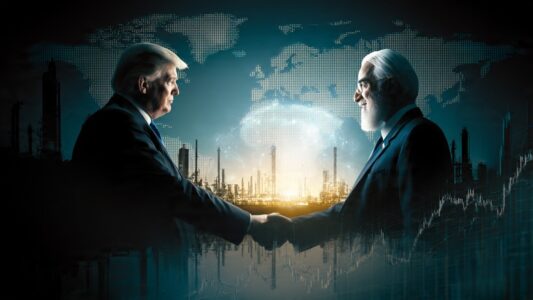
U.S.–Iran Nuclear Deal: What It Means for Oil Prices, Global Trade, and Middle East StabilityThe latest U.S.–Iran nuclear deal has become one of the most closely watched geopolitical developments of 2026. After months of heightened tensions, military confrontations, and concerns about regional instability, both nations have moved toward a diplomatic framework aimed at reducing conflict and addressing nuclear concerns. While the agreement is being welcomed by many world leaders, significant challenges remain, and its impact could be felt far beyond the Middle East. At the heart of the deal are negotiations surrounding Iran’s nuclear program. The agreement seeks to establish a system of international inspections, limitations on nuclear activities, and mechanisms for ensuring compliance. In return, discussions are underway regarding sanctions relief and the potential release of frozen Iranian assets. Supporters argue that the agreement could reduce the risk of military conflict and create a pathway toward greater regional stability. One of the most important global concerns linked to the agreement is its effect on oil markets. Iran possesses some of the world’s largest oil reserves, and any changes in its ability to export crude oil can influence global energy prices. During periods of conflict and uncertainty, oil prices often rise due to fears of supply disruptions. The recent diplomatic progress has eased some of these concerns, helping stabilize energy markets and improving investor confidence. The Strait of Hormuz remains a critical factor in the discussion. This narrow waterway serves as one of the world’s most important oil shipping routes, with a significant percentage of global petroleum supplies passing through it every day. Any disruption in this region can have immediate consequences for energy costs, transportation expenses, and economic activity worldwide. The agreement is expected to reduce tensions around this strategic corridor, although experts continue to monitor developments closely. Global trade is another area that could benefit from improved U.S.–Iran relations. Stable energy supplies often contribute to predictable transportation costs, which are essential for international commerce. Businesses, manufacturers, and logistics companies around the world are paying close attention to the situation because fluctuations in oil prices directly affect operational expenses and supply chains. Financial markets have also reacted to the diplomatic breakthrough. Investors generally favor stability, and signs of reduced geopolitical risk can encourage investment activity. Stock markets, commodity traders, and multinational corporations are analyzing the agreement’s long-term implications, particularly in sectors related to energy, transportation, and international trade. Despite the positive outlook, several obstacles remain. Questions surrounding verification procedures, enforcement mechanisms, and future political changes could affect the agreement’s durability. Critics argue that maintaining compliance from all parties will require continuous diplomatic engagement and international oversight. The success of the deal ultimately depends on trust, transparency, and sustained cooperation between multiple stakeholders. The international community has largely welcomed efforts to reduce tensions in the region. Organizations such as the United Nations and the International Atomic Energy Agency are expected to play important roles in monitoring compliance and supporting diplomatic initiatives. Their involvement will be crucial in maintaining credibility and fostering confidence among participating nations. As the world continues to evaluate the consequences of the U.S.–Iran nuclear deal, one thing is clear: the agreement has the potential to influence global oil markets, trade networks, and regional security for years to come. Whether it becomes a lasting diplomatic achievement or faces future challenges will depend on the actions taken by all parties involved. For now, governments, businesses, and investors around the world remain focused on what could be one of the most significant geopolitical developments of the decade.

Breaking News, Geopolitics

Iran–Israel Conflict 2026: Impact on Oil Prices, Global Trade & Middle East Stability

Iran–Israel Conflict: Why Rising Middle East Tensions Are Shaping Global Markets and SecurityThe Iran–Israel conflict has emerged as one of the most closely watched international developments of 2026. Rising tensions between two of the Middle East’s most influential powers are attracting worldwide attention as governments, investors, businesses, and security experts assess the potential implications for regional stability and the global economy. While the conflict remains primarily a geopolitical issue, its consequences extend far beyond the Middle East. From oil prices and shipping routes to financial markets and diplomatic relations, developments in the region are influencing decisions in boardrooms, government offices, and trading floors around the world. As international leaders work to prevent a broader regional escalation, the situation continues to dominate global headlines. Why the Conflict Matters Globally The Middle East remains one of the world’s most strategically important regions due to its role in global energy production and international trade. Iran is one of the region’s largest energy producers and occupies a critical geographic position near the Strait of Hormuz, one of the world’s most important maritime chokepoints. Israel, meanwhile, remains a key regional power with significant diplomatic, economic, and security influence. Any increase in tensions between these nations can have implications that reach well beyond regional borders. Investors and policymakers understand that instability in the Middle East often affects global markets and economic confidence. The Strategic Importance of the Strait of Hormuz A major concern surrounding the conflict is the security of the Strait of Hormuz. This narrow waterway connects the Persian Gulf to global shipping lanes and serves as a critical route for oil and natural gas exports. A substantial portion of the world’s energy supply passes through this corridor every day. Even the possibility of disruption can create uncertainty in energy markets. Traders closely monitor developments because interruptions to shipping activity could impact global fuel supplies and influence oil prices. As a result, the Strait of Hormuz has become a central focus of international economic and security discussions. Oil Prices and Economic Impact Energy markets are particularly sensitive to geopolitical developments. When tensions rise in major oil-producing regions, investors often anticipate potential supply disruptions. This can lead to increased price volatility in global energy markets. Higher oil prices can affect transportation, manufacturing, logistics, and consumer spending. Businesses may face rising operational costs, while consumers often experience higher fuel and energy expenses. For economies already navigating inflation concerns and uncertain growth forecasts, prolonged instability in the Middle East could add additional pressure to global financial systems. Diplomatic Efforts to Prevent Escalation Recognizing the potential consequences of a broader conflict, governments and international organizations are actively pursuing diplomatic solutions. World leaders continue to encourage dialogue, restraint, and regional cooperation. International institutions are working to support stability while reducing the risk of further escalation. Diplomatic engagement remains a critical component of efforts to prevent disruptions that could affect both regional populations and the wider global economy. Many analysts believe that sustained diplomacy offers the best path toward reducing tensions and preserving stability. Global Security Implications Beyond economic concerns, the conflict raises important questions about international security. Regional instability can influence defense strategies, military alliances, humanitarian efforts, and global security planning. Countries across Europe, Asia, and North America are closely monitoring developments to assess potential risks and prepare for various scenarios. Security experts note that maintaining stability in the Middle East remains essential for global peace and economic resilience. Looking Ahead The future trajectory of the Iran–Israel conflict remains uncertain. While diplomatic efforts continue, geopolitical tensions are likely to remain a significant focus for international leaders and markets in the months ahead. For businesses, investors, and policymakers, the conflict serves as a reminder of how interconnected the modern world has become. Events occurring thousands of miles away can influence energy costs, trade flows, investment decisions, and economic outlooks globally. As the situation evolves, the world will continue watching closely. The decisions made in the region could shape not only Middle East stability but also the future direction of global markets and international relations throughout 2026.

Breaking News, Geopolitics

Major Earthquakes in 2026: Global Impact, Damage Assessment & Disaster Response

Major Earthquakes Shake Communities Across the Globe: Rising Concerns Over Natural Disaster PreparednessSeveral regions around the world have recently experienced significant seismic activity, placing natural disasters back at the forefront of global attention. Earthquakes reported in parts of the Philippines and Cuba have resulted in casualties, damaged infrastructure, and disrupted daily life for thousands of residents. The events have once again highlighted the importance of disaster preparedness, emergency response systems, and resilient infrastructure in vulnerable regions. In the Philippines, emergency officials responded rapidly after strong tremors were felt across multiple provinces. Residents rushed outdoors as buildings swayed and power outages affected several communities. Local authorities initiated evacuation procedures in high-risk areas while emergency teams conducted structural inspections to assess damage. The Philippines is situated along the Pacific Ring of Fire, one of the world’s most seismically active regions. As a result, earthquakes and volcanic activity remain recurring challenges for the nation. Experts continue to stress the need for earthquake-resistant construction and public awareness programs designed to reduce risks during future seismic events. Meanwhile, Cuba also experienced significant earthquake activity that damaged homes, roads, and public facilities. Rescue workers and local authorities mobilized quickly to provide assistance to affected communities. Temporary shelters were established for displaced families while engineers evaluated the safety of critical infrastructure. Natural disasters such as earthquakes often create challenges that extend beyond the initial event. Damage to transportation networks, communication systems, healthcare facilities, and utilities can significantly affect recovery efforts. In many cases, rebuilding communities requires months or even years of coordinated support from governments, humanitarian organizations, and international partners. Global disaster response agencies continue to emphasize the importance of early warning systems, emergency preparedness education, and investment in resilient infrastructure. Modern technology has improved earthquake monitoring capabilities, allowing scientists to better understand seismic patterns and provide faster alerts to authorities and the public. Climate experts and disaster management professionals note that while earthquakes are not linked to climate change, the increasing frequency of extreme weather events worldwide has intensified discussions about overall disaster resilience. Governments are increasingly adopting comprehensive emergency management strategies that address multiple types of natural hazards. Humanitarian organizations have also called for stronger international cooperation to support affected regions. Relief efforts typically include emergency medical assistance, food distribution, temporary housing, and psychological support for survivors coping with trauma and loss. As recovery efforts continue in both the Philippines and Cuba, these events serve as a reminder of nature’s unpredictability and the critical importance of preparedness. Investments in resilient infrastructure, public safety education, and rapid response capabilities remain essential for protecting communities from future disasters. While scientists cannot yet predict earthquakes with precision, advancements in monitoring technology and emergency planning continue to improve the ability of governments and organizations to respond effectively when disaster strikes. The recent earthquakes underscore a universal lesson: preparedness, coordination, and community resilience are among the strongest defenses against natural catastrophes.

Geopolitics

Climate Change 2026: How Extreme Weather Is Reshaping the Global Economy

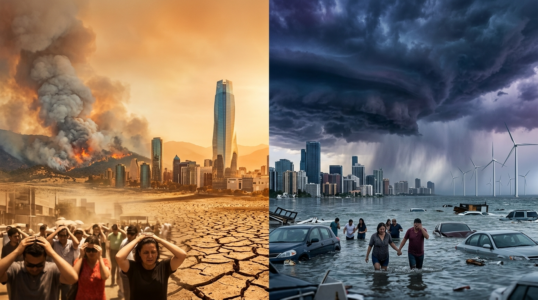
Climate Change and Extreme Weather: Why the World Is Facing a New RealityClimate change has become one of the defining challenges of the 21st century. Across continents, governments, scientists, businesses, and communities are confronting a growing number of extreme weather events that are transforming economies, disrupting infrastructure, and reshaping daily life. From record-breaking heatwaves and prolonged droughts to severe flooding and powerful storms, the effects of climate change are becoming increasingly visible. What was once considered an environmental concern is now recognized as a major economic, social, and geopolitical issue. As global temperatures continue to rise, experts warn that climate adaptation is no longer optional—it is becoming essential. The Rise of Extreme Weather Recent years have witnessed an increase in extreme weather events around the world. Many regions have experienced unprecedented heatwaves, while others have faced devastating floods, wildfires, and severe storms. Scientists explain that warmer global temperatures can intensify weather patterns by increasing atmospheric moisture, altering rainfall cycles, and extending periods of extreme heat. These changes can have far-reaching consequences for agriculture, water resources, public health, and energy systems. For millions of people, extreme weather is no longer an occasional disruption but an increasingly common reality. Heatwaves Become a Global Concern Among the most visible effects of climate change are prolonged and intense heatwaves. Cities across Europe, Asia, North America, and other regions have recorded temperatures that challenge historical records. Rising temperatures not only affect comfort but also create significant health risks, particularly for vulnerable populations such as the elderly, children, and outdoor workers. Heatwaves can also place enormous pressure on electricity grids as demand for cooling systems increases. In some areas, energy providers have struggled to meet demand during periods of extreme heat, highlighting the need for resilient infrastructure. Economic Consequences of Climate Change Climate change is increasingly viewed as an economic issue rather than solely an environmental one. Extreme weather events can disrupt supply chains, damage transportation networks, reduce agricultural output, and increase insurance costs. Businesses are being forced to assess climate-related risks as part of their long-term planning strategies. Industries such as agriculture, tourism, construction, and energy are particularly vulnerable to changing weather patterns. Governments are also facing rising costs associated with disaster response, infrastructure repairs, and climate adaptation projects. According to economic analysts, the financial impact of climate-related events is expected to grow significantly over the coming decades. The Role of Climate Adaptation As climate risks increase, many countries are investing in adaptation measures designed to reduce vulnerability. These efforts include upgrading flood defenses, improving water management systems, expanding renewable energy infrastructure, modernizing urban planning, and developing heat-resilient communities. Businesses are also adopting strategies to strengthen operational resilience and protect critical assets from weather-related disruptions. Climate adaptation is increasingly viewed as a necessary investment that can help reduce long-term economic and social costs. Looking Ahead While efforts to reduce greenhouse gas emissions remain essential, the world is also preparing for the reality that some climate impacts are already underway. The challenge facing governments, businesses, and communities is not only preventing future warming but also adapting to a changing environment. Success will depend on innovation, international cooperation, and strategic investment in resilient infrastructure and sustainable development. As climate change continues to influence weather patterns around the globe, its impact will extend beyond environmental concerns to shape economic growth, public policy, and business decisions for years to come. The conversation is no longer about whether climate change is occurring. The focus now is how societies can respond effectively to one of the most significant challenges of our time.

Breaking News, Geopolitics

US-Iran Negotiations 2026: Global Impact on Oil Prices, Markets & Middle East Stability

US-Iran Negotiations: Why the World Is Watching a Critical Diplomatic MomentThe ongoing diplomatic negotiations between the United States and Iran have become one of the most closely watched geopolitical developments of 2026. Governments, investors, energy companies, and financial markets worldwide are monitoring every statement and meeting, understanding that the outcome could significantly influence global oil prices, inflation rates, and regional security. Relations between Washington and Tehran have remained complex for decades. While periods of diplomacy have occasionally reduced tensions, disagreements over nuclear development, economic sanctions, and regional influence have continued to create uncertainty throughout the Middle East. Recent negotiations have sparked renewed hopes that both nations may find common ground. Diplomats from multiple countries have encouraged dialogue, believing that a successful agreement could reduce instability in one of the world’s most strategically important regions. Why Oil Markets Are Paying Attention One of the primary reasons global markets are focused on the negotiations is Iran’s role in the international energy sector. Iran possesses some of the largest oil and natural gas reserves in the world. Any agreement that eases sanctions could increase Iranian oil exports, potentially adding more supply to global markets. For consumers and businesses, increased oil supply often helps stabilize fuel prices. Lower energy costs can reduce transportation expenses, manufacturing costs, and overall inflation pressures. Conversely, if negotiations fail and tensions escalate, energy markets could experience volatility and price spikes. Economic Implications Beyond Energy The significance of the talks extends beyond oil. Financial institutions, multinational corporations, and investors are evaluating how a diplomatic breakthrough might affect international trade and economic growth. A stable Middle East generally supports investor confidence and reduces risks associated with global supply chains. Many economists believe that successful negotiations could contribute to greater economic predictability at a time when many countries continue to manage inflation and post-pandemic economic adjustments. Regional Security Concerns Middle East stability remains another major factor driving international attention. Regional governments are closely observing developments, as any improvement in US-Iran relations could influence broader diplomatic relationships across the region. Security experts note that reduced tensions may encourage increased cooperation on regional issues and lower the risk of military confrontations. However, negotiations remain delicate, and significant challenges still exist before any lasting agreement can be achieved. What Happens Next? While optimism exists among some observers, diplomatic negotiations often require patience and compromise. Key issues including nuclear oversight, sanctions relief, and security guarantees continue to be central topics in discussions. Global leaders, financial markets, and energy companies will continue monitoring developments in the coming weeks. Whether the talks result in a breakthrough or encounter further obstacles, the outcome is likely to have consequences that extend far beyond Washington and Tehran. As the world faces economic uncertainty, energy challenges, and ongoing geopolitical shifts, the US-Iran negotiations represent more than a bilateral discussion—they are a potential turning point that could influence global stability and economic conditions throughout 2026 and beyond.

Geopolitics, Breaking News

Trump–Xi Beijing Summit 2026: U.S.–China Trade, AI & Global Power Clash

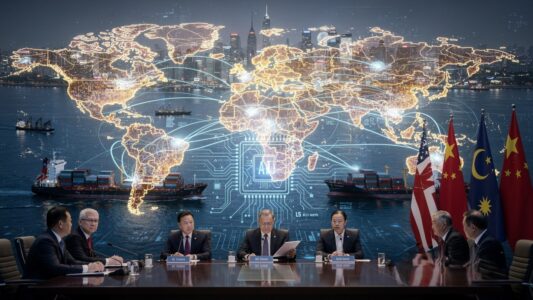
Trump–Xi Beijing Summit 2026The world’s attention is locked on Beijing as Donald Trump and Xi Jinping meet in one of the most significant geopolitical summits of 2026. At a time when global tensions are rising across trade, technology, and international diplomacy, the meeting between the leaders of the world’s two largest economies has become the biggest global news story dominating headlines worldwide. The summit represents far more than a routine diplomatic meeting. It comes during a period of increasing rivalry between the United States and China over economic dominance, semiconductor technology, artificial intelligence, Taiwan, and global strategic influence. Investors, governments, and multinational corporations are closely analyzing every statement emerging from Beijing because the outcome of these talks could reshape the future global balance of power. One of the primary issues on the agenda is trade tensions. Over recent years, tariffs, export restrictions, and supply chain disruptions have significantly strained relations between Washington and Beijing. The United States has pushed to reduce dependence on Chinese manufacturing while encouraging domestic production of critical technologies and infrastructure. China, meanwhile, has expanded economic partnerships across Asia, Africa, and the Middle East while strengthening its own manufacturing and industrial capabilities. Artificial intelligence and semiconductor restrictions are also central to the discussions. AI has become one of the most strategically important technologies in the world, with both countries competing aggressively for leadership. The U.S. government has introduced restrictions targeting advanced chip exports and semiconductor manufacturing equipment in an effort to slow China’s technological advancement. China, however, continues investing heavily in domestic semiconductor production and next-generation computing infrastructure to reduce reliance on foreign technology. Technology companies worldwide are watching the summit closely. Firms involved in semiconductors, AI infrastructure, cloud computing, and advanced manufacturing understand that any shift in U.S.–China policy could dramatically affect supply chains, market growth, and global investment strategies. Even minor changes in trade restrictions or technology agreements could impact trillions of dollars in global economic activity. Taiwan remains another highly sensitive topic. China continues to consider Taiwan part of its sovereign territory, while the United States maintains strategic support and defense cooperation with the island. Rising military activity and geopolitical rhetoric surrounding Taiwan have intensified international concerns over Indo-Pacific stability. Analysts believe discussions surrounding Taiwan could influence military strategies and diplomatic relations throughout Asia for years to come. Iran diplomacy also emerged as a key point of discussion during the summit. China has expanded economic and diplomatic ties with Iran, while the United States remains focused on limiting Tehran’s regional influence and maintaining pressure through sanctions and strategic alliances. Cooperation or disagreement between Beijing and Washington regarding Iran could influence global energy markets, oil prices, and Middle Eastern stability. During the summit, Xi Jinping reportedly emphasized that the United States and China should be “partners, not rivals,” signaling Beijing’s interest in reducing economic confrontation while preserving strategic competitiveness. Donald Trump, meanwhile, hinted that Washington may consider easing some technology restrictions if broader trade and diplomatic progress can be achieved. These comments immediately sparked reactions across international stock markets and financial institutions. The significance of the Beijing summit extends beyond economics and diplomacy. It reflects a deeper global struggle for technological, military, and geopolitical influence. Both nations are competing to shape the future of global trade, digital infrastructure, energy systems, and international governance. The rivalry between the United States and China is increasingly defining the direction of the 21st century. Despite rising tensions, global leaders and economists continue urging cooperation between the two superpowers. Prolonged confrontation could weaken global economic growth, disrupt supply chains, and increase geopolitical instability. As a result, the summit is viewed as a critical opportunity to reduce tensions while maintaining strategic competition. Social media platforms, financial analysts, and international media networks continue to amplify worldwide interest in the summit, making it one of the most closely followed political events of the year. Every handshake, statement, and negotiation detail is being examined for signs of future policy shifts. In conclusion, the Trump–Xi Beijing summit is not just another diplomatic meeting—it is a defining geopolitical moment. As trade tensions, technological competition, and global alliances evolve, the decisions made in Beijing could influence international politics, markets, and global stability for years to come.

Breaking News, Geopolitics

Trump–Xi Beijing Summit 2026: U.S.–China Rivalry, Trade & AI Tensions

Trump–Xi Beijing Summit 2026The world’s attention is firmly focused on Beijing as Donald Trump and Xi Jinping meet for one of the most significant geopolitical summits of 2026. At a time of rising global tensions, slowing economic growth, and rapid technological competition, the meeting between the leaders of the world’s two largest economies is dominating international headlines and shaping conversations across financial markets, diplomacy, and global security. The summit comes amid increasing friction between the United States and China over trade policies, semiconductor restrictions, artificial intelligence development, Taiwan, and Middle Eastern diplomacy. While both leaders publicly emphasized cooperation, the underlying rivalry between Washington and Beijing remains one of the defining geopolitical challenges of the modern era. One of the biggest topics at the summit is trade tensions. For years, tariffs, export restrictions, and supply chain disputes have strained relations between the two superpowers. The United States has pushed to reduce dependence on Chinese manufacturing while encouraging domestic production of critical technologies. China, meanwhile, has accelerated efforts to strengthen its own industrial capabilities and expand economic partnerships across Asia, Africa, and the Middle East. Artificial intelligence and semiconductor technology are also at the center of negotiations. AI has become a critical battleground for economic and military dominance, with both nations racing to secure leadership in advanced computing. The U.S. has imposed restrictions on advanced chip exports and semiconductor equipment to limit China’s technological advancement. Beijing, however, continues investing heavily in domestic chip manufacturing and AI infrastructure in an effort to reduce reliance on foreign technology. During the summit, Xi Jinping reportedly stated that the United States and China should be “partners, not rivals,” signaling Beijing’s desire to stabilize relations and avoid deeper economic confrontation. At the same time, Donald Trump hinted that Washington could consider easing certain technology restrictions if broader trade and security agreements are reached. These remarks immediately sparked reactions across global financial markets, particularly among technology companies and semiconductor manufacturers. Another highly sensitive issue discussed was Taiwan. China continues to view Taiwan as part of its sovereign territory, while the United States maintains strategic and military support for the island. Rising military activity in the Indo-Pacific region has intensified global concerns over regional stability. Analysts believe the handling of Taiwan during the summit could significantly influence future diplomatic and military dynamics in Asia. Iran diplomacy also emerged as a key focus. China has strengthened economic and diplomatic ties with Iran in recent years, while the United States continues efforts to limit Tehran’s regional influence and energy leverage. Cooperation—or disagreement—between Washington and Beijing regarding Iran could affect global oil markets, sanctions policies, and broader Middle Eastern stability. The significance of the summit extends far beyond politics. Global investors and multinational corporations are closely monitoring every statement from Beijing because U.S.–China relations directly impact supply chains, trade flows, inflation, technology markets, and international investment. Even small policy changes between the two countries can influence global economic confidence. The meeting also reflects a larger global power struggle. The United States and China are competing not only economically but also strategically and ideologically. From technology and military influence to trade alliances and digital infrastructure, both nations are attempting to shape the future international order according to their own interests and values. Despite the tensions, many world leaders and economists continue to call for cooperation between the two powers. Prolonged confrontation could increase global instability, weaken economic growth, and deepen geopolitical fragmentation. As a result, the Beijing summit is viewed as a critical opportunity to reduce tensions while preserving strategic competition. Social media and international news platforms have amplified worldwide interest in the summit, turning every diplomatic gesture into a major global headline. The outcome of these discussions could influence markets, alliances, and geopolitical strategies for years to come. In conclusion, the Trump–Xi Beijing summit represents a defining moment in modern geopolitics. As the United States and China navigate trade disputes, technological rivalry, and global security challenges, the decisions made in Beijing may ultimately shape the balance of power in the 21st century.

Geopolitics, Breaking News

Global Political Instability Reshapes Power Alliances in 2026

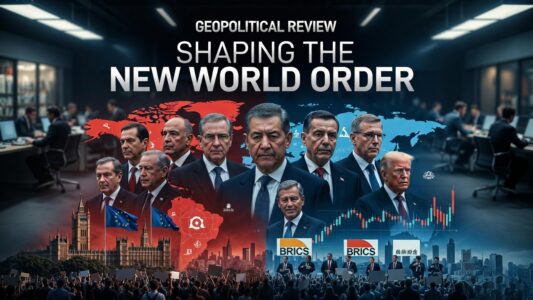
Global Political Instability Reshapes Power Alliances in 2026The global political landscape is undergoing one of its most dramatic transformations in decades. From leadership turmoil in the United Kingdom to rising nationalist movements across Europe and the expanding influence of BRICS nations, 2026 is becoming a defining year for international geopolitics. Political instability is no longer isolated to one region. Instead, it is spreading across major economies and reshaping the balance of global power. Governments are facing growing pressure from economic uncertainty, migration concerns, inflation, energy security issues, and changing voter sentiment. As a result, traditional Western alliances are increasingly being challenged by emerging geopolitical blocs and alternative economic partnerships. In the United Kingdom, political divisions continue to dominate headlines. Leadership struggles, economic concerns, and public dissatisfaction over inflation and public services have intensified pressure on the government. The country’s political climate remains fragile as policymakers attempt to stabilize economic growth while maintaining international influence in a rapidly shifting world order. Meanwhile, Europe is witnessing a surge in nationalist and right-wing political movements. Elections across several European nations have highlighted growing frustration among voters over immigration policies, rising living costs, and concerns surrounding national identity. These movements are reshaping political discourse and challenging the long-standing dominance of centrist parties within the European Union. The rise of nationalism is also affecting broader European unity. Several governments are increasingly prioritizing domestic economic interests over collective regional policies, creating tensions within European institutions. This shift is raising concerns about the future strength and cohesion of the European Union during a time of increasing global uncertainty. At the same time, the growing influence of BRICS — consisting of Brazil, Russia, India, China, and South Africa — is redefining global economic and political alliances. The bloc has expanded its global presence by promoting alternatives to Western-led financial systems and encouraging stronger cooperation among emerging economies. Countries across Asia, Africa, and the Middle East are showing increasing interest in BRICS partnerships as they seek greater independence from traditional Western economic structures. Discussions surrounding alternative trade currencies, energy cooperation, and infrastructure investments are accelerating this global realignment. The geopolitical divide between Western alliances and BRICS nations has become more visible amid ongoing global conflicts and economic tensions. While organizations such as NATO continue to play a central role in Western security strategy, BRICS nations are positioning themselves as a counterbalance to Western political influence. The conflict in Ukraine, tensions in the Middle East, and global trade disputes have further intensified competition between major powers. As nations reassess their strategic partnerships, global diplomacy is entering a new era defined by multipolar influence rather than single-power dominance. Political analysts believe this transformation could have long-term implications for international trade, energy markets, defense alliances, and technological competition. Governments are increasingly focused on protecting domestic industries, strengthening national security, and reducing dependence on foreign supply chains. The rise of artificial intelligence, cybersecurity threats, and economic competition between major nations is also influencing political decision-making worldwide. Technology has become a central element of geopolitical strategy, adding another layer of complexity to global relations. As the world navigates this period of uncertainty, one thing is clear: the global political order is evolving rapidly. The traditional balance of power is shifting, alliances are being redefined, and nations are preparing for a future shaped by economic competition, regional influence, and strategic independence. For businesses, investors, and global leaders, understanding these political transformations will be critical in navigating the challenges and opportunities of the next decade.

Geopolitics

China’s Expanding Global Influence 2026: Iran Diplomacy, Trade & U.S. Rivalry

China’s Expanding Global Influence China’s growing role in global diplomacy is becoming one of the defining geopolitical stories of 2026. From the Middle East to global trade negotiations, China is increasingly positioning itself as a diplomatic mediator and strategic power capable of challenging long-standing U.S. influence. Its involvement in issues surrounding Iran, energy security, and international trade has intensified global attention, particularly as tensions rise between Washington and Beijing over sanctions, technology, and geopolitical alignment. At the center of this growing influence is China’s role in Middle Eastern diplomacy. Beijing has actively engaged in discussions involving Iran and regional stability, presenting itself as a neutral actor focused on dialogue and economic cooperation rather than military intervention. Chinese officials have supported diplomatic efforts aimed at easing tensions surrounding the Strait of Hormuz and broader regional conflicts. Analysts view this approach as part of China’s long-term strategy to establish itself as a credible global mediator. China’s relationship with Iran remains a major source of geopolitical friction with the United States. Beijing continues to resist U.S.-led sanctions targeting Iranian oil exports and technology access, emphasizing economic cooperation and strategic independence. Reports suggest China remains one of Iran’s most important economic partners, particularly in the energy sector, where discounted oil imports help sustain Tehran’s economy despite international pressure. This resistance to sanctions highlights a broader shift in global power dynamics. China is increasingly promoting alternatives to Western-led financial systems and trade structures, strengthening ties with BRICS nations and regional partners across Asia, Africa, and the Middle East. By expanding economic networks outside traditional Western influence, Beijing is reinforcing its vision of a more multipolar global order. Technology is another major battleground in the U.S.–China rivalry. Washington has imposed restrictions on advanced semiconductor exports and AI-related technologies, aiming to limit China’s progress in critical sectors. In response, China has accelerated investment in domestic chip production, artificial intelligence, and advanced manufacturing. The competition over technology has become deeply intertwined with national security, economic power, and future geopolitical influence. The growing influence of China is also visible in international institutions and diplomatic negotiations. At the United Nations, Beijing has increasingly opposed resolutions backed by the United States, especially those connected to Iran and military intervention. China, alongside Russia, is expected to resist stronger UN actions targeting Iran, reflecting a coordinated effort to counterbalance Western pressure. Economically, China’s global expansion continues through infrastructure investments, trade partnerships, and supply chain dominance. Projects linked to the Belt and Road Initiative have strengthened China’s influence in developing economies, while its control over critical materials such as rare earth minerals and manufacturing capacity gives Beijing additional leverage in global trade disputes. At the same time, China is carefully managing its global image. Rather than engaging in direct military alliances similar to the United States, Beijing often emphasizes diplomacy, economic incentives, and strategic partnerships. Experts argue that this flexible approach allows China to maintain relationships with competing regional powers while avoiding costly military entanglements. However, China’s expanding influence also raises concerns among Western governments and analysts. Critics argue that Beijing’s growing economic and technological reach could weaken Western dominance in finance, trade, and global governance. Others worry about increased geopolitical fragmentation as countries align themselves between competing power blocs. Public interest in China’s global role has surged across financial markets, diplomatic circles, and social media. The combination of trade wars, AI competition, energy diplomacy, and geopolitical negotiations has turned China into one of the most closely watched powers in the modern world. In conclusion, China’s expanding global influence represents a major transformation in international relations. By combining diplomacy, economic power, and technological ambition, Beijing is steadily reshaping the global balance of power. As tensions with the United States continue to evolve, the world is entering a new era where China’s decisions could increasingly shape global trade, diplomacy, and the future international order.

Geopolitics

Trump–Xi Summit 2026: U.S.–China Rivalry, AI Tensions & Global Power Shift

Trump–Xi Summit & U.S.–China Power Struggle The world’s attention is turning toward Beijing as Donald Trump and Xi Jinping are expected to meet next week in what analysts are calling one of the most consequential geopolitical summits of 2026. The highly anticipated meeting comes at a time of rising tensions between the United States and China, with critical discussions expected around trade disputes, artificial intelligence, semiconductor restrictions, Taiwan, and Iran diplomacy. The summit represents more than just a diplomatic event—it is a strategic confrontation between the world’s two largest economies and competing global powers. As both nations continue to expand their influence across technology, trade, and military strategy, the outcome of this meeting could significantly shape the future global order. One of the most pressing issues on the agenda is the ongoing trade conflict between Washington and Beijing. Over recent years, tariffs, export controls, and supply chain disruptions have intensified economic friction between the two countries. The United States has continued efforts to reduce reliance on Chinese manufacturing while restricting advanced technology exports to China. In response, China has accelerated domestic innovation and strengthened alternative trade partnerships across Asia, the Middle East, and BRICS-aligned economies. Artificial intelligence and semiconductor technology are expected to dominate the summit discussions. AI has become a defining factor in economic and military competitiveness, with both countries racing to secure leadership in next-generation technologies. The United States has imposed restrictions targeting advanced semiconductor exports and chip-making equipment, aiming to limit China’s access to critical AI infrastructure. Meanwhile, China is investing billions into its domestic semiconductor industry to reduce dependence on foreign suppliers. The issue of Taiwan remains another major source of tension. The United States continues to maintain strategic ties and defense support for Taiwan, while China views the island as part of its sovereign territory. Military activities in the region and growing rhetoric from both sides have raised global concerns about stability in the Indo-Pacific. Analysts believe that any diplomatic breakthrough—or escalation—during the summit could have far-reaching consequences for regional and global security. Iran diplomacy is also expected to play a central role in discussions. China has increasingly positioned itself as a mediator in Middle Eastern affairs while maintaining strong economic ties with Iran. The United States, meanwhile, remains focused on limiting Iran’s regional influence and securing global energy routes. Cooperation or disagreement between Washington and Beijing on Iran could influence oil markets, sanctions policies, and broader geopolitical alliances. Financial markets and global businesses are closely monitoring the summit, recognizing its potential impact on international trade and investment flows. Investors understand that U.S.–China relations influence nearly every major economic sector, from technology and manufacturing to energy and logistics. Any signs of improved cooperation could boost market confidence, while renewed tensions may trigger volatility across global markets. The summit also reflects a deeper ideological and strategic competition. The United States and China are increasingly promoting different visions of global leadership, governance, and technological development. This rivalry is shaping alliances worldwide, forcing many countries to balance relationships with both superpowers. Despite growing competition, there remains strong pressure for diplomacy. Economists and international organizations warn that prolonged confrontation between the two nations could slow global growth, disrupt supply chains, and increase geopolitical instability. As a result, expectations are high for both leaders to seek areas of compromise while protecting their strategic interests. Public attention surrounding the summit has intensified across social media and international news platforms. Every statement, diplomatic signal, and policy announcement is being analyzed for clues about the future direction of global power dynamics. In conclusion, the upcoming Trump–Xi summit is more than a meeting between two leaders—it is a defining geopolitical moment. From trade and technology to security and diplomacy, the discussions in Beijing could reshape international relations and determine the balance of power for years to come. As the world watches closely, the summit may either ease tensions between the two superpowers or deepen one of the most important rivalries of the modern era.

Geopolitics

U.S.–Iran Crisis 2026: Strait of Hormuz Tensions Shake Global Markets

U.S.–Iran Crisis & Strait of Hormuz Tensions Global attention is once again focused on the growing tensions between the United States and Iran, as diplomatic pressure and military concerns intensify around the strategically critical Strait of Hormuz. The latest developments, including a proposed United Nations resolution and reports of a possible temporary truce, have transformed the situation into the most talked-about geopolitical issue in the world right now. At the center of the crisis is the Strait of Hormuz, one of the most important maritime trade routes on Earth. Located between Iran and the Arabian Peninsula, this narrow waterway carries a substantial portion of the world’s oil exports. Any disruption in the region immediately impacts global energy markets, fuel prices, inflation, and investor confidence. Because of its enormous economic importance, even minor escalations can trigger worldwide consequences. The United States recently proposed a new resolution at the United Nations calling on Iran to halt attacks and military activity linked to shipping routes in the Strait of Hormuz. The proposal reflects growing international concerns over maritime security and the stability of global oil supplies. However, diplomatic divisions remain visible, with countries such as China and Russia reportedly resisting stronger measures against Iran, highlighting the complex balance of global power politics. At the same time, reports suggest that backchannel negotiations and diplomatic mediation efforts may be bringing both sides closer to a temporary truce. Regional powers and international mediators are actively attempting to prevent the situation from escalating into a broader conflict. While no official agreement has been finalized, even the possibility of a temporary de-escalation has had a noticeable impact on global financial and energy markets. Oil prices remain highly sensitive to every development in the region. Investors and governments alike understand that any disruption in Hormuz could affect millions of barrels of oil shipments daily. Rising energy prices have already increased concerns about inflation in major economies, putting additional pressure on businesses and consumers worldwide. Central banks are also closely monitoring the situation, as energy costs influence everything from transportation and manufacturing to food prices. Beyond economics, the crisis reflects a deeper geopolitical struggle shaping the modern world. The United States continues to maintain a strong military and diplomatic presence in the Middle East, while Iran seeks to expand its regional influence and strategic leverage. The involvement of global powers such as China and Russia adds another layer of complexity, transforming a regional dispute into a broader international power contest. The situation has also intensified discussions around global energy security. Many countries are accelerating investments in renewable energy and alternative trade routes to reduce dependence on vulnerable chokepoints like the Strait of Hormuz. Analysts argue that the current tensions could accelerate long-term shifts in energy policy and international supply chain strategies. Social media and 24-hour news coverage have amplified public attention on the crisis. Real-time updates, expert analysis, and viral discussions have made the U.S.–Iran standoff one of the most closely followed stories worldwide. The geopolitical uncertainty has also fueled speculation about future diplomatic alliances, sanctions, and military strategies. Despite rising tensions, many global leaders continue to emphasize diplomacy as the preferred path forward. International organizations and regional partners are urging restraint, warning that further escalation could destabilize not only the Middle East but also the global economy. The coming weeks are expected to be critical in determining whether negotiations succeed or tensions intensify further. In conclusion, the U.S.–Iran crisis and the growing tensions surrounding the Strait of Hormuz represent far more than a regional conflict. They highlight the fragile balance between energy security, global trade, and international diplomacy. As the world watches closely, the outcome of these negotiations could shape economic stability and geopolitical relations for months—or even years—to come.

error: Content is protected !!
Scroll to Top
Seraphinite AcceleratorOptimized by Seraphinite Accelerator
Turns on site high speed to be attractive for people and search engines.