Skip to content
U.S.–Iran Nuclear Deal: What It Means for Oil Prices, Global Trade, and Middle East Stability The latest U.S.–Iran nuclear deal has become one of the most closely watched geopolitical developments of 2026. After months of heightened tensions, military confrontations, and concerns about regional instability, both nations have moved toward a diplomatic framework aimed at reducing conflict and addressing nuclear concerns. While the agreement is being welcomed by many world leaders, significant challenges remain, and its impact could be felt far beyond the Middle East.
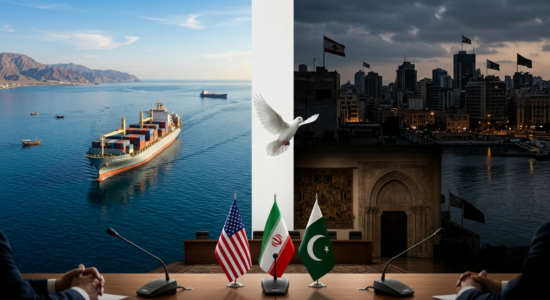
At the heart of the deal are negotiations surrounding Iran’s nuclear program. The agreement seeks to establish a system of international inspections, limitations on nuclear activities, and mechanisms for ensuring compliance. In return, discussions are underway regarding sanctions relief and the potential release of frozen Iranian assets. Supporters argue that the agreement could reduce the risk of military conflict and create a pathway toward greater regional stability.
One of the most important global concerns linked to the agreement is its effect on oil markets. Iran possesses some of the world’s largest oil reserves, and any changes in its ability to export crude oil can influence global energy prices. During periods of conflict and uncertainty, oil prices often rise due to fears of supply disruptions. The recent diplomatic progress has eased some of these concerns, helping stabilize energy markets and improving investor confidence.
The Strait of Hormuz remains a critical factor in the discussion. This narrow waterway serves as one of the world’s most important oil shipping routes, with a significant percentage of global petroleum supplies passing through it every day. Any disruption in this region can have immediate consequences for energy costs, transportation expenses, and economic activity worldwide. The agreement is expected to reduce tensions around this strategic corridor, although experts continue to monitor developments closely.
Global trade is another area that could benefit from improved U.S.–Iran relations. Stable energy supplies often contribute to predictable transportation costs, which are essential for international commerce. Businesses, manufacturers, and logistics companies around the world are paying close attention to the situation because fluctuations in oil prices directly affect operational expenses and supply chains.
Financial markets have also reacted to the diplomatic breakthrough. Investors generally favor stability, and signs of reduced geopolitical risk can encourage investment activity. Stock markets, commodity traders, and multinational corporations are analyzing the agreement’s long-term implications, particularly in sectors related to energy, transportation, and international trade.
Despite the positive outlook, several obstacles remain. Questions surrounding verification procedures, enforcement mechanisms, and future political changes could affect the agreement’s durability. Critics argue that maintaining compliance from all parties will require continuous diplomatic engagement and international oversight. The success of the deal ultimately depends on trust, transparency, and sustained cooperation between multiple stakeholders.
The international community has largely welcomed efforts to reduce tensions in the region. Organizations such as the United Nations and the International Atomic Energy Agency are expected to play important roles in monitoring compliance and supporting diplomatic initiatives. Their involvement will be crucial in maintaining credibility and fostering confidence among participating nations.
As the world continues to evaluate the consequences of the U.S.–Iran nuclear deal, one thing is clear: the agreement has the potential to influence global oil markets, trade networks, and regional security for years to come. Whether it becomes a lasting diplomatic achievement or faces future challenges will depend on the actions taken by all parties involved. For now, governments, businesses, and investors around the world remain focused on what could be one of the most significant geopolitical developments of the decade.