Skip to content
US-Iran Negotiations: Why the World Is Watching a Critical Diplomatic Moment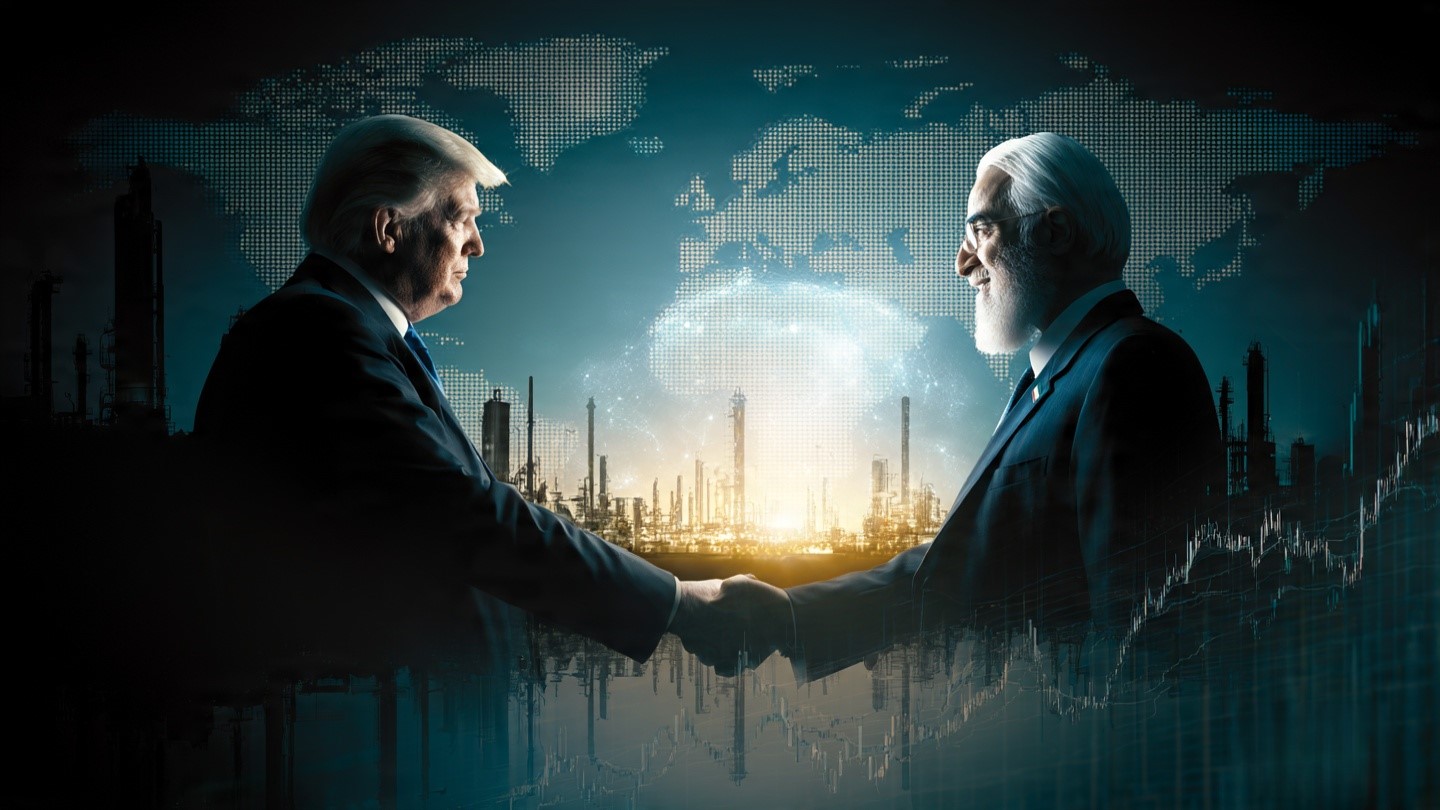 The ongoing diplomatic negotiations between the United States and Iran have become one of the most closely watched geopolitical developments of 2026. Governments, investors, energy companies, and financial markets worldwide are monitoring every statement and meeting, understanding that the outcome could significantly influence global oil prices, inflation rates, and regional security.
Relations between Washington and Tehran have remained complex for decades. While periods of diplomacy have occasionally reduced tensions, disagreements over nuclear development, economic sanctions, and regional influence have continued to create uncertainty throughout the Middle East.
Recent negotiations have sparked renewed hopes that both nations may find common ground. Diplomats from multiple countries have encouraged dialogue, believing that a successful agreement could reduce instability in one of the world’s most strategically important regions.
Why Oil Markets Are Paying Attention
One of the primary reasons global markets are focused on the negotiations is Iran’s role in the international energy sector. Iran possesses some of the largest oil and natural gas reserves in the world. Any agreement that eases sanctions could increase Iranian oil exports, potentially adding more supply to global markets.
For consumers and businesses, increased oil supply often helps stabilize fuel prices. Lower energy costs can reduce transportation expenses, manufacturing costs, and overall inflation pressures. Conversely, if negotiations fail and tensions escalate, energy markets could experience volatility and price spikes.
Economic Implications Beyond Energy
The significance of the talks extends beyond oil. Financial institutions, multinational corporations, and investors are evaluating how a diplomatic breakthrough might affect international trade and economic growth.
A stable Middle East generally supports investor confidence and reduces risks associated with global supply chains. Many economists believe that successful negotiations could contribute to greater economic predictability at a time when many countries continue to manage inflation and post-pandemic economic adjustments.
Regional Security Concerns
Middle East stability remains another major factor driving international attention. Regional governments are closely observing developments, as any improvement in US-Iran relations could influence broader diplomatic relationships across the region.
Security experts note that reduced tensions may encourage increased cooperation on regional issues and lower the risk of military confrontations. However, negotiations remain delicate, and significant challenges still exist before any lasting agreement can be achieved.
What Happens Next?
While optimism exists among some observers, diplomatic negotiations often require patience and compromise. Key issues including nuclear oversight, sanctions relief, and security guarantees continue to be central topics in discussions.
Global leaders, financial markets, and energy companies will continue monitoring developments in the coming weeks. Whether the talks result in a breakthrough or encounter further obstacles, the outcome is likely to have consequences that extend far beyond Washington and Tehran.
As the world faces economic uncertainty, energy challenges, and ongoing geopolitical shifts, the US-Iran negotiations represent more than a bilateral discussion—they are a potential turning point that could influence global stability and economic conditions throughout 2026 and beyond.