
Global Political Instability Reshapes Power Alliances in 2026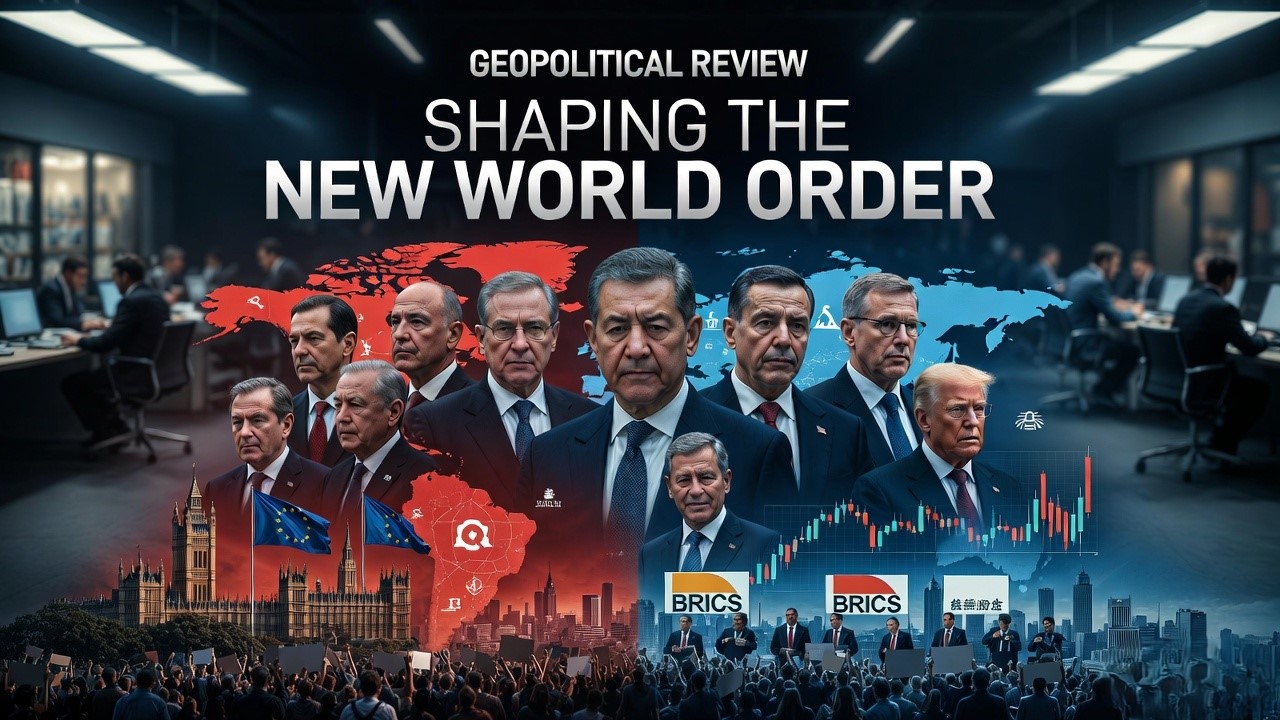 The global political landscape is undergoing one of its most dramatic transformations in decades. From leadership turmoil in the United Kingdom to rising nationalist movements across Europe and the expanding influence of BRICS nations, 2026 is becoming a defining year for international geopolitics.
Political instability is no longer isolated to one region. Instead, it is spreading across major economies and reshaping the balance of global power. Governments are facing growing pressure from economic uncertainty, migration concerns, inflation, energy security issues, and changing voter sentiment. As a result, traditional Western alliances are increasingly being challenged by emerging geopolitical blocs and alternative economic partnerships.
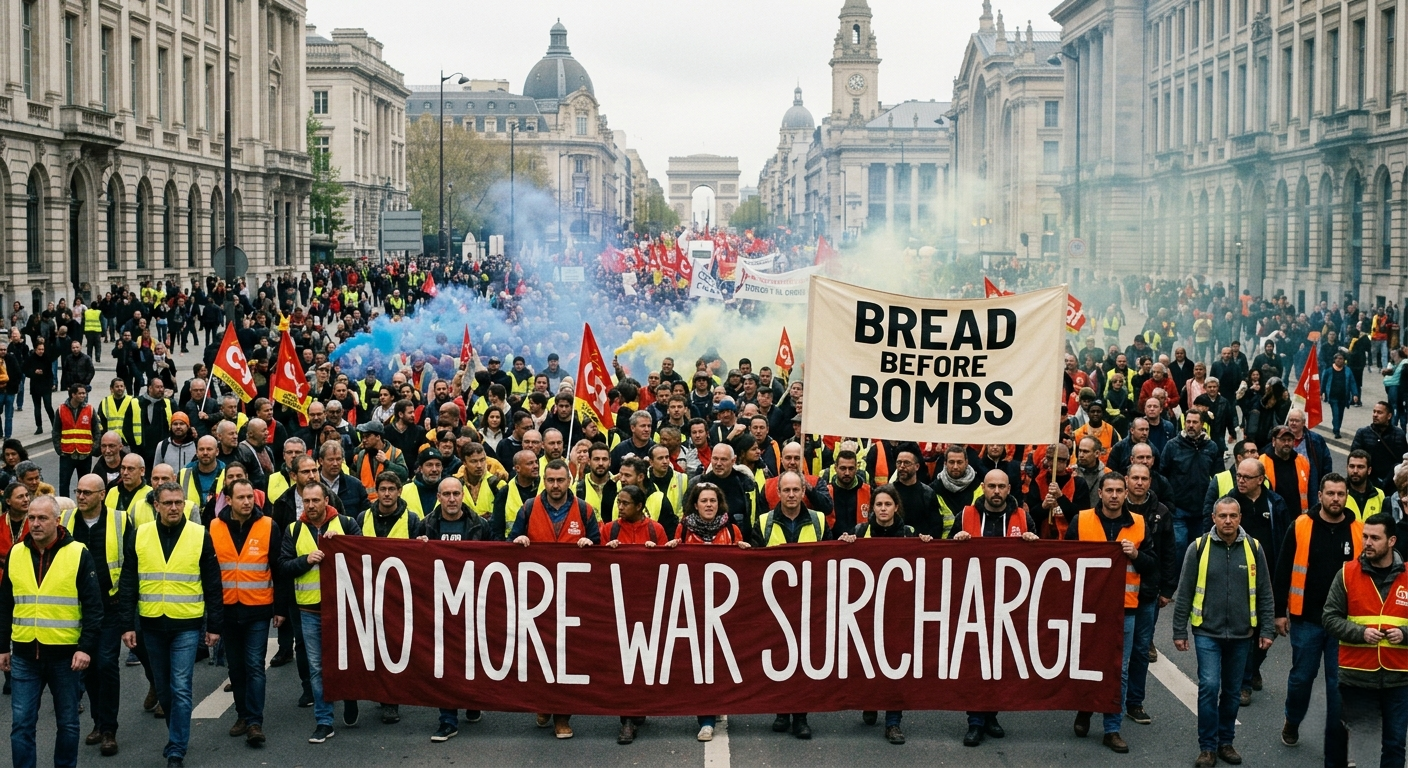
In the United Kingdom, political divisions continue to dominate headlines. Leadership struggles, economic concerns, and public dissatisfaction over inflation and public services have intensified pressure on the government. The country’s political climate remains fragile as policymakers attempt to stabilize economic growth while maintaining international influence in a rapidly shifting world order.
Meanwhile, Europe is witnessing a surge in nationalist and right-wing political movements. Elections across several European nations have highlighted growing frustration among voters over immigration policies, rising living costs, and concerns surrounding national identity. These movements are reshaping political discourse and challenging the long-standing dominance of centrist parties within the European Union.
The rise of nationalism is also affecting broader European unity. Several governments are increasingly prioritizing domestic economic interests over collective regional policies, creating tensions within European institutions. This shift is raising concerns about the future strength and cohesion of the European Union during a time of increasing global uncertainty.
At the same time, the growing influence of BRICS — consisting of Brazil, Russia, India, China, and South Africa — is redefining global economic and political alliances. The bloc has expanded its global presence by promoting alternatives to Western-led financial systems and encouraging stronger cooperation among emerging economies.
Countries across Asia, Africa, and the Middle East are showing increasing interest in BRICS partnerships as they seek greater independence from traditional Western economic structures. Discussions surrounding alternative trade currencies, energy cooperation, and infrastructure investments are accelerating this global realignment.
The geopolitical divide between Western alliances and BRICS nations has become more visible amid ongoing global conflicts and economic tensions. While organizations such as NATO continue to play a central role in Western security strategy, BRICS nations are positioning themselves as a counterbalance to Western political influence.
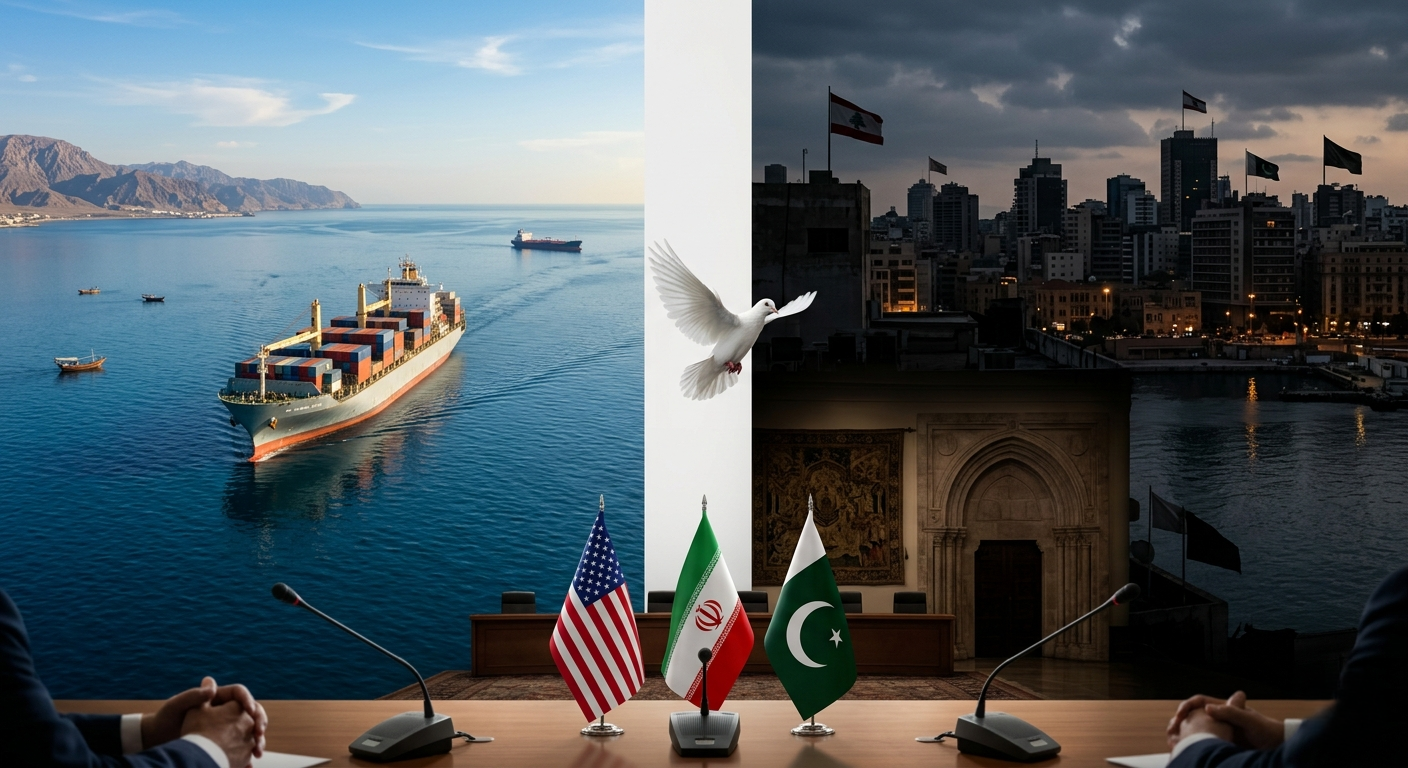
The conflict in Ukraine, tensions in the Middle East, and global trade disputes have further intensified competition between major powers. As nations reassess their strategic partnerships, global diplomacy is entering a new era defined by multipolar influence rather than single-power dominance.
Political analysts believe this transformation could have long-term implications for international trade, energy markets, defense alliances, and technological competition. Governments are increasingly focused on protecting domestic industries, strengthening national security, and reducing dependence on foreign supply chains.
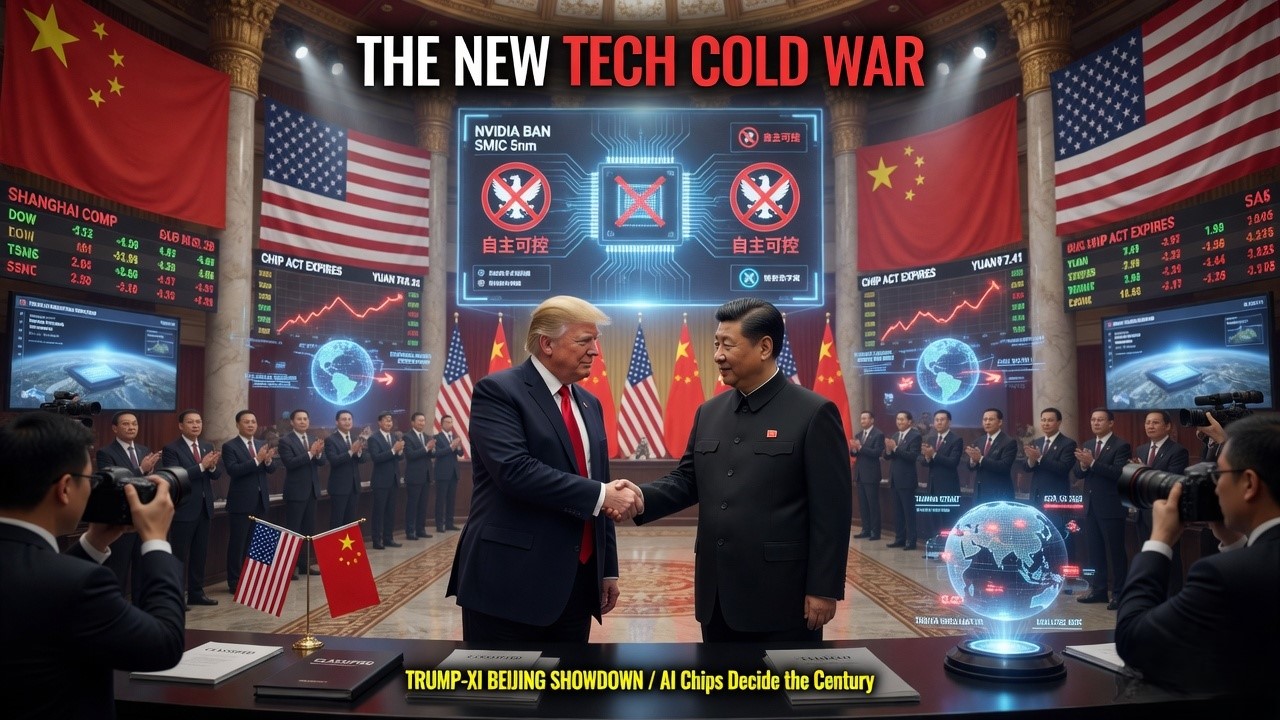
The rise of artificial intelligence, cybersecurity threats, and economic competition between major nations is also influencing political decision-making worldwide. Technology has become a central element of geopolitical strategy, adding another layer of complexity to global relations.
As the world navigates this period of uncertainty, one thing is clear: the global political order is evolving rapidly. The traditional balance of power is shifting, alliances are being redefined, and nations are preparing for a future shaped by economic competition, regional influence, and strategic independence.
For businesses, investors, and global leaders, understanding these political transformations will be critical in navigating the challenges and opportunities of the next decade.