
Iran–Israel Conflict: Why Rising Middle East Tensions Are Shaping Global Markets and Security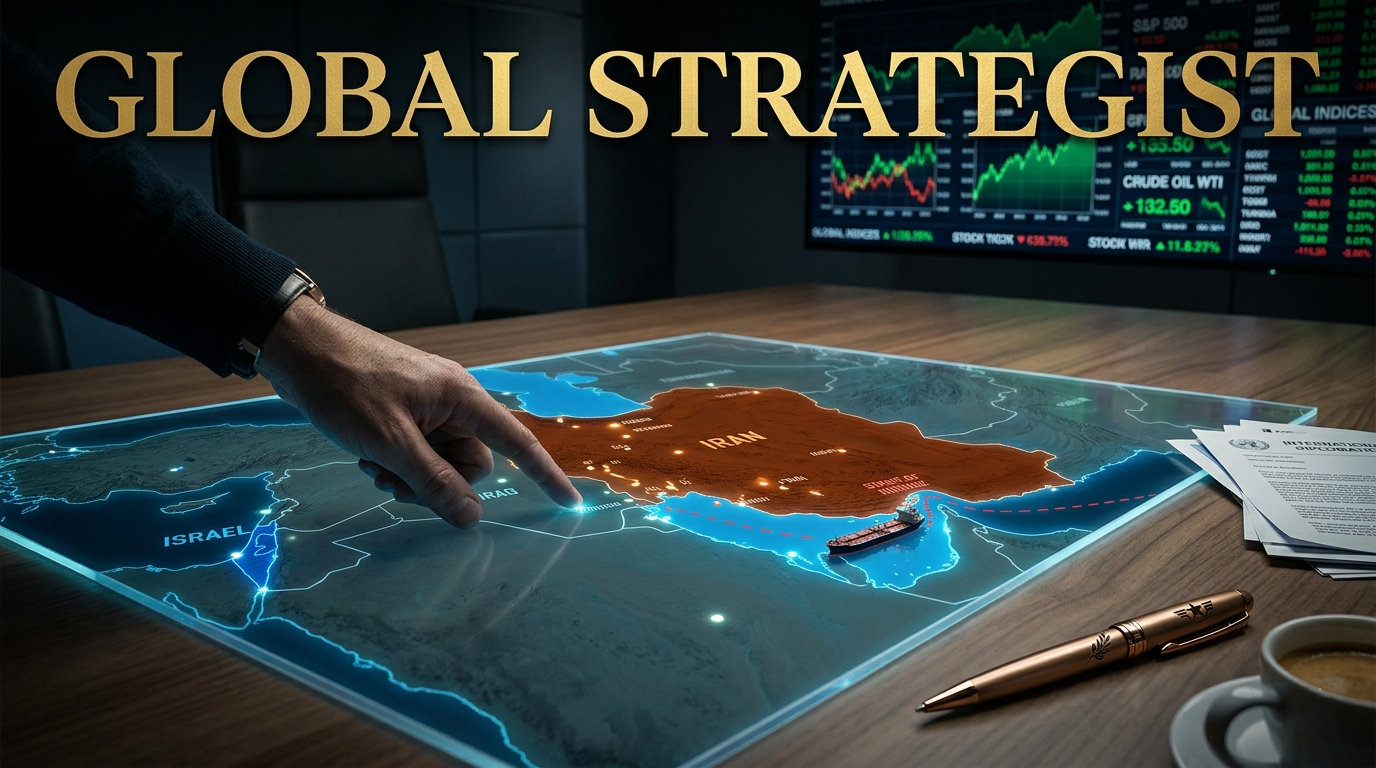 The Iran–Israel conflict has emerged as one of the most closely watched international developments of 2026. Rising tensions between two of the Middle East’s most influential powers are attracting worldwide attention as governments, investors, businesses, and security experts assess the potential implications for regional stability and the global economy.
While the conflict remains primarily a geopolitical issue, its consequences extend far beyond the Middle East. From oil prices and shipping routes to financial markets and diplomatic relations, developments in the region are influencing decisions in boardrooms, government offices, and trading floors around the world.
As international leaders work to prevent a broader regional escalation, the situation continues to dominate global headlines.
Why the Conflict Matters Globally
The Middle East remains one of the world’s most strategically important regions due to its role in global energy production and international trade.
Iran is one of the region’s largest energy producers and occupies a critical geographic position near the Strait of Hormuz, one of the world’s most important maritime chokepoints. Israel, meanwhile, remains a key regional power with significant diplomatic, economic, and security influence.
Any increase in tensions between these nations can have implications that reach well beyond regional borders. Investors and policymakers understand that instability in the Middle East often affects global markets and economic confidence.
The Strategic Importance of the Strait of Hormuz
A major concern surrounding the conflict is the security of the Strait of Hormuz.
This narrow waterway connects the Persian Gulf to global shipping lanes and serves as a critical route for oil and natural gas exports. A substantial portion of the world’s energy supply passes through this corridor every day.
Even the possibility of disruption can create uncertainty in energy markets. Traders closely monitor developments because interruptions to shipping activity could impact global fuel supplies and influence oil prices.
As a result, the Strait of Hormuz has become a central focus of international economic and security discussions.
Oil Prices and Economic Impact
Energy markets are particularly sensitive to geopolitical developments.
When tensions rise in major oil-producing regions, investors often anticipate potential supply disruptions. This can lead to increased price volatility in global energy markets.
Higher oil prices can affect transportation, manufacturing, logistics, and consumer spending. Businesses may face rising operational costs, while consumers often experience higher fuel and energy expenses.
For economies already navigating inflation concerns and uncertain growth forecasts, prolonged instability in the Middle East could add additional pressure to global financial systems.
Diplomatic Efforts to Prevent Escalation
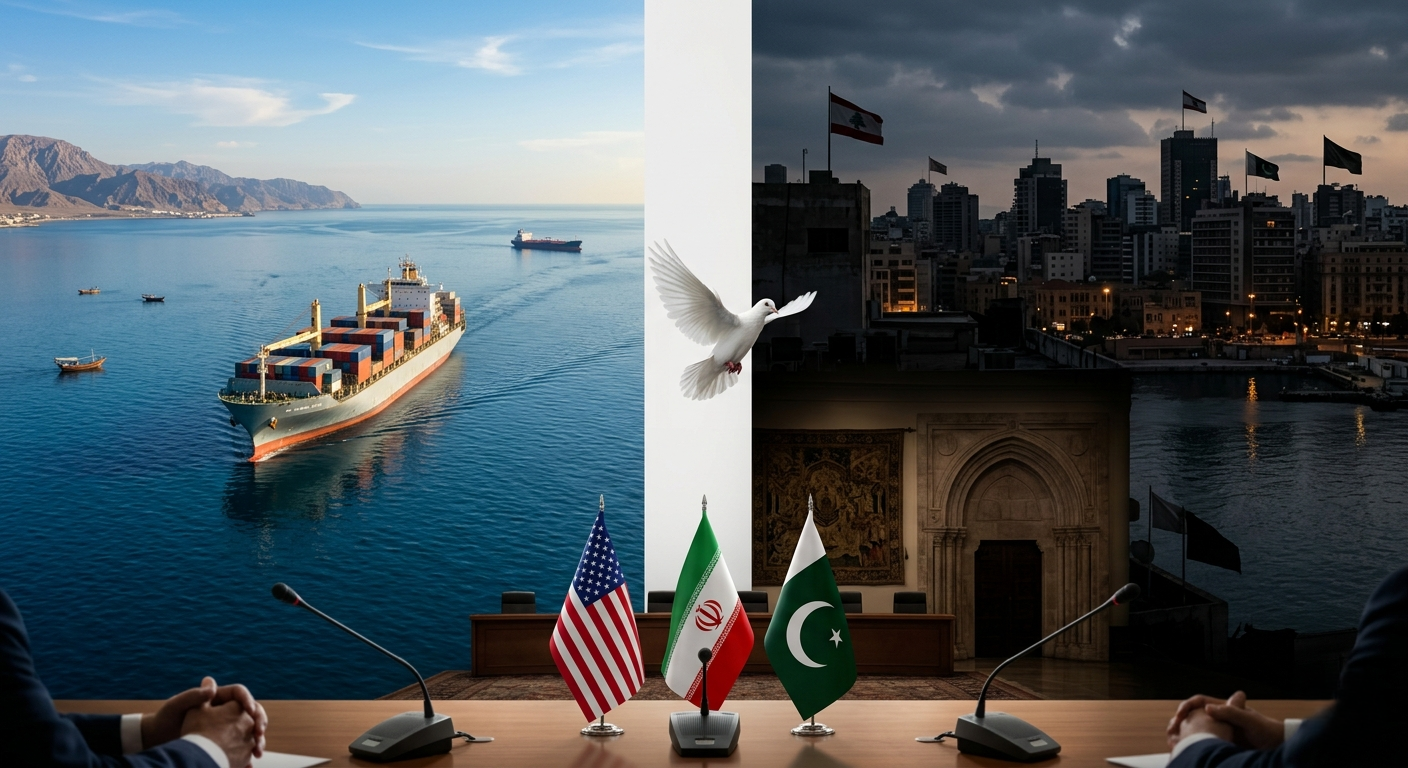
Recognizing the potential consequences of a broader conflict, governments and international organizations are actively pursuing diplomatic solutions.
World leaders continue to encourage dialogue, restraint, and regional cooperation. International institutions are working to support stability while reducing the risk of further escalation.
Diplomatic engagement remains a critical component of efforts to prevent disruptions that could affect both regional populations and the wider global economy.
Many analysts believe that sustained diplomacy offers the best path toward reducing tensions and preserving stability.
Global Security Implications
Beyond economic concerns, the conflict raises important questions about international security.
Regional instability can influence defense strategies, military alliances, humanitarian efforts, and global security planning. Countries across Europe, Asia, and North America are closely monitoring developments to assess potential risks and prepare for various scenarios.
Security experts note that maintaining stability in the Middle East remains essential for global peace and economic resilience.
Looking Ahead
The future trajectory of the Iran–Israel conflict remains uncertain. While diplomatic efforts continue, geopolitical tensions are likely to remain a significant focus for international leaders and markets in the months ahead.
For businesses, investors, and policymakers, the conflict serves as a reminder of how interconnected the modern world has become. Events occurring thousands of miles away can influence energy costs, trade flows, investment decisions, and economic outlooks globally.
As the situation evolves, the world will continue watching closely. The decisions made in the region could shape not only Middle East stability but also the future direction of global markets and international relations throughout 2026.