
Trump–Xi Summit Reshapes Global Power Politics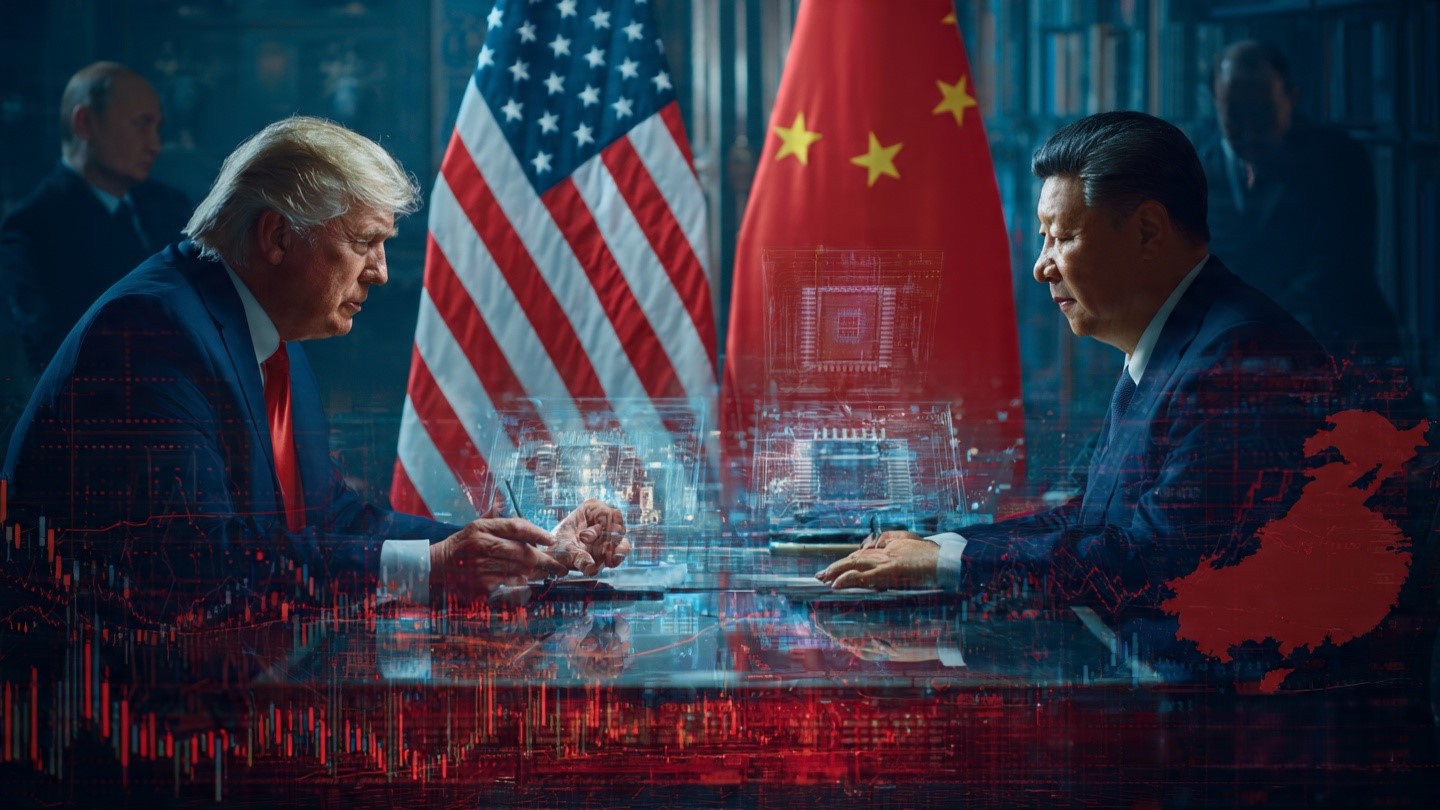 The world’s political and economic focus has shifted to Beijing as Donald Trump and Xi Jinping hold one of the most important geopolitical summits of 2026. At a time of rising tensions over trade, technology, energy security, and global influence, the meeting between the leaders of the world’s two largest economies has become the most talked-about international story worldwide.
The summit represents a defining moment in modern geopolitics. Discussions between the United States and China are centered around trade disputes, artificial intelligence competition, semiconductor restrictions, Taiwan, Iran diplomacy, and broader global economic stability. Financial markets, multinational corporations, and governments across the world are closely monitoring every statement emerging from Beijing because the outcome of these talks could reshape global alliances and future economic strategies.
One of the major issues dominating the summit is trade tensions between Washington and Beijing. Over the past several years, tariffs, export controls, and supply chain disruptions have intensified the rivalry between the two superpowers. The United States has focused on reducing dependence on Chinese manufacturing and strengthening domestic production in strategic industries. China, meanwhile, has accelerated efforts to expand trade partnerships and secure its role as a global manufacturing and technological powerhouse.
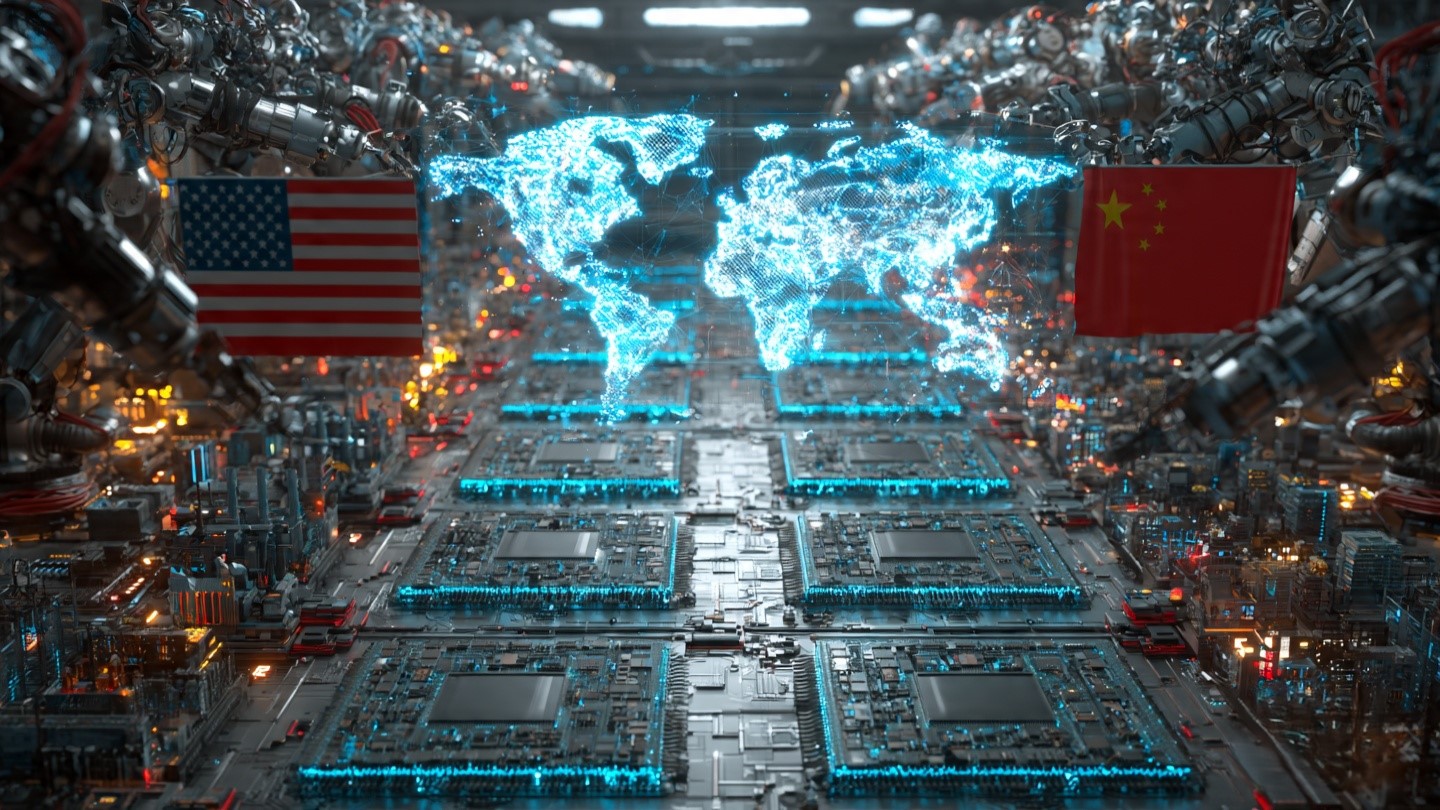
Artificial intelligence and semiconductor restrictions have become another central battleground. AI is now viewed as one of the most important strategic technologies in the world, capable of shaping military power, economic growth, cybersecurity, and industrial dominance. The U.S. government has imposed restrictions on advanced chip exports and semiconductor manufacturing equipment in an attempt to slow China’s technological progress. In response, China has invested heavily in domestic chip manufacturing, AI research, and next-generation digital infrastructure.
Technology companies worldwide are paying close attention to the summit. Businesses involved in semiconductors, cloud computing, artificial intelligence, and advanced manufacturing understand that policy changes between the United States and China could significantly impact global markets and supply chains. Any easing—or tightening—of restrictions could influence investment flows and technology development for years to come.
Taiwan remains one of the most sensitive and potentially dangerous topics discussed during the summit. China continues to consider Taiwan part of its sovereign territory, while the United States maintains strategic support and defense cooperation with the island. Rising military activity in the Indo-Pacific region has increased global concerns over regional stability and potential future conflict. Analysts believe the handling of Taiwan during the summit could influence diplomatic and military relations throughout Asia.
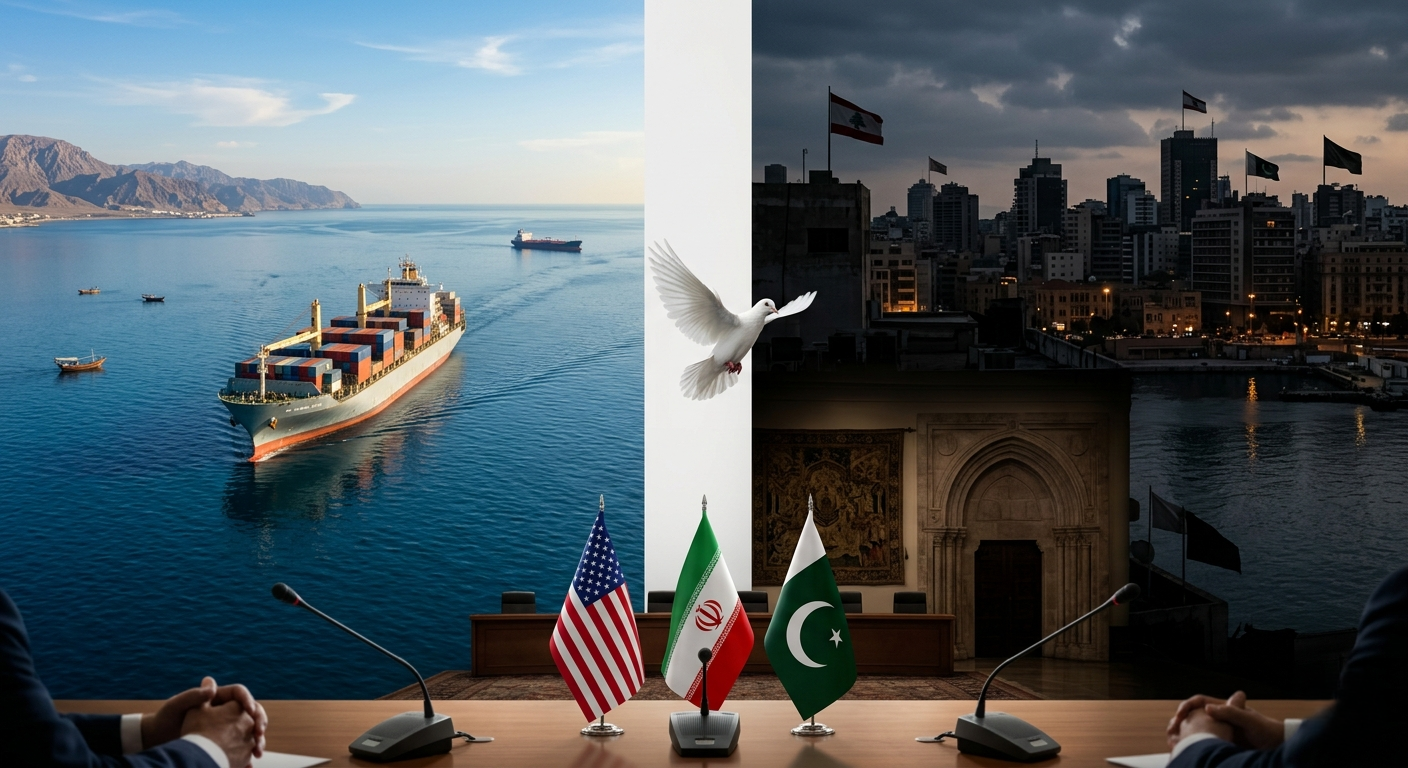
Iran diplomacy is also playing a critical role in the discussions. China has strengthened economic and diplomatic ties with Iran in recent years, particularly in the energy sector, while the United States continues efforts to contain Tehran’s regional influence through sanctions and strategic alliances. Cooperation—or disagreement—between Beijing and Washington regarding Iran could affect global oil prices, energy security, and Middle Eastern geopolitics.
Adding to the summit’s global significance is China’s growing diplomatic activity. Beijing is now preparing to host Vladimir Putin shortly after Trump’s visit, signaling China’s expanding influence in international diplomacy. The timing of these meetings has intensified speculation about China’s strategy to position itself as a central global power capable of balancing relationships with multiple geopolitical rivals.
The summit is also a reflection of a much larger global power struggle. The United States and China are competing not only economically but also technologically, militarily, and strategically. From semiconductor dominance and digital infrastructure to global trade routes and political alliances, both nations are attempting to shape the future international order.
Despite the rivalry, many economists and global leaders continue calling for cooperation between Washington and Beijing. Prolonged confrontation between the two powers could weaken economic growth, disrupt supply chains, increase inflation, and create further geopolitical instability. As a result, the summit is widely viewed as a crucial opportunity to reduce tensions while maintaining strategic competition.
Social media platforms and international news networks have amplified worldwide attention on the summit, turning every diplomatic gesture, statement, and policy signal into major global headlines. Investors, analysts, and political observers are closely watching for clues about future trade policies, technology regulations, and geopolitical alliances.
In conclusion, the Trump–Xi summit is more than a diplomatic meeting—it is a defining geopolitical event that could influence global politics, technology competition, economic stability, and international relations for years to come. As the world watches Beijing, the decisions made during these talks may shape the future balance of global power in the 21st century.