Hormuz Hope vs. Regional Defiance: The Fragile State of Middle East Diplomacy
The geopolitical landscape of the Middle East has reached a critical juncture. As 2026 unfolds, a high-stakes “diplomatic chess match” is emerging between Tehran and Washington, even as secondary fronts in Lebanon and Gaza remain locked in cycles of violence and media obscurity. The world is watching closely to see if a breakthrough in the Strait of Hormuz can serve as a catalyst for broader regional stability or if entrenched local hostilities will derail the peace process.
The Pakistan Channel: A New Proposal from Tehran
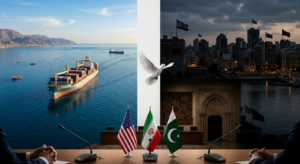
In what is being hailed as the most significant diplomatic movement in months, Iran has officially delivered a comprehensive peace proposal to the United States. Utilizing Pakistan as a neutral mediator, Tehran has signaled a willingness to de-escalate the naval tensions that have paralyzed global trade.
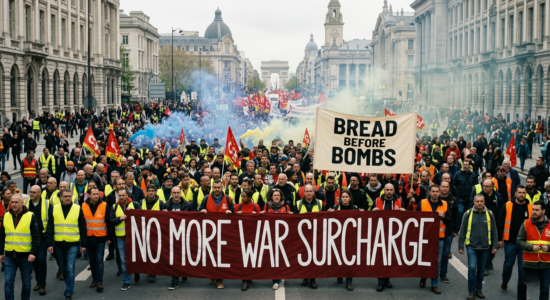
The core of the proposal is a high-stakes trade-off: Iran offers to fully reopen the Strait of Hormuz—the world’s most vital energy transit point—in exchange for a complete lifting of the U.S. naval blockade. For the global economy, which has been reeling from the “war surcharges” on oil and shipping insurance, this proposal represents a potential lifeline. However, Washington remains cautious. Strategists are currently weighing whether the reopening of the Strait is a genuine olive branch or a tactical maneuver to relieve economic pressure while Iran continues its regional posturing.
Hezbollah’s Wall of Resistance
While the seas may see a glimpse of calm, the land borders remain volatile. In a televised address that dampened hopes for a swift northern ceasefire, Hezbollah leadership officially rejected the current negotiation frameworks brokered by international intermediaries between Israel and Lebanon.
The group’s high command vowed that “the resistance” would continue its operations, effectively decoupling its military strategy from the diplomatic efforts occurring in the Persian Gulf. This defiance poses a significant challenge for mediators who had hoped that a deal with Iran would naturally lead to a “domino effect” of peace among its regional allies.
The Gaza Blackout: Media Giants Push Back
Parallel to the military and diplomatic maneuvers is a growing battle over information. Since 2023, a strict ban on foreign journalists entering Gaza has created what human rights groups call an “information vacuum.”
Now, a coalition of leaders from the world’s most influential media organizations—including the heads of major news networks and global agencies—has launched a coordinated campaign to pressure the Israeli government. Their demand is singular: lift the ban and allow independent reporting.
“Journalism is not a luxury during wartime; it is a necessity for accountability,” stated a joint letter from the coalition. “The world cannot understand a conflict it is not permitted to see.”
The Road Ahead
The coming weeks will be decisive. If the U.S. accepts the Pakistani-mediated proposal, the sudden influx of oil could stabilize global markets and lower the “survival” costs currently fueling protests worldwide. However, without a resolution to the Hezbollah-Israel stalemate or a transparent accounting of the humanitarian situation in Gaza, any peace in the Strait of Hormuz may be a fragile one.