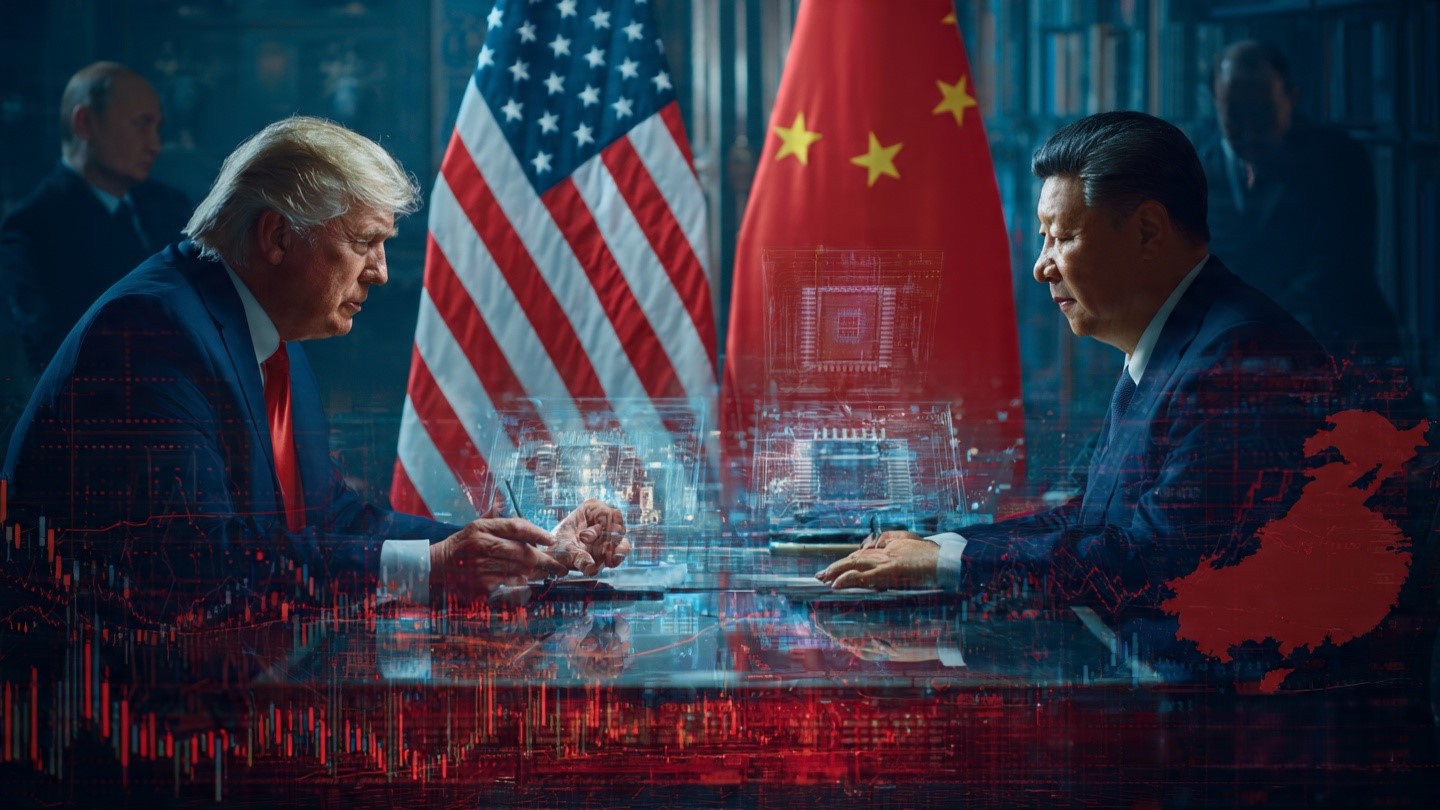

Trump–Xi Beijing Summit 2026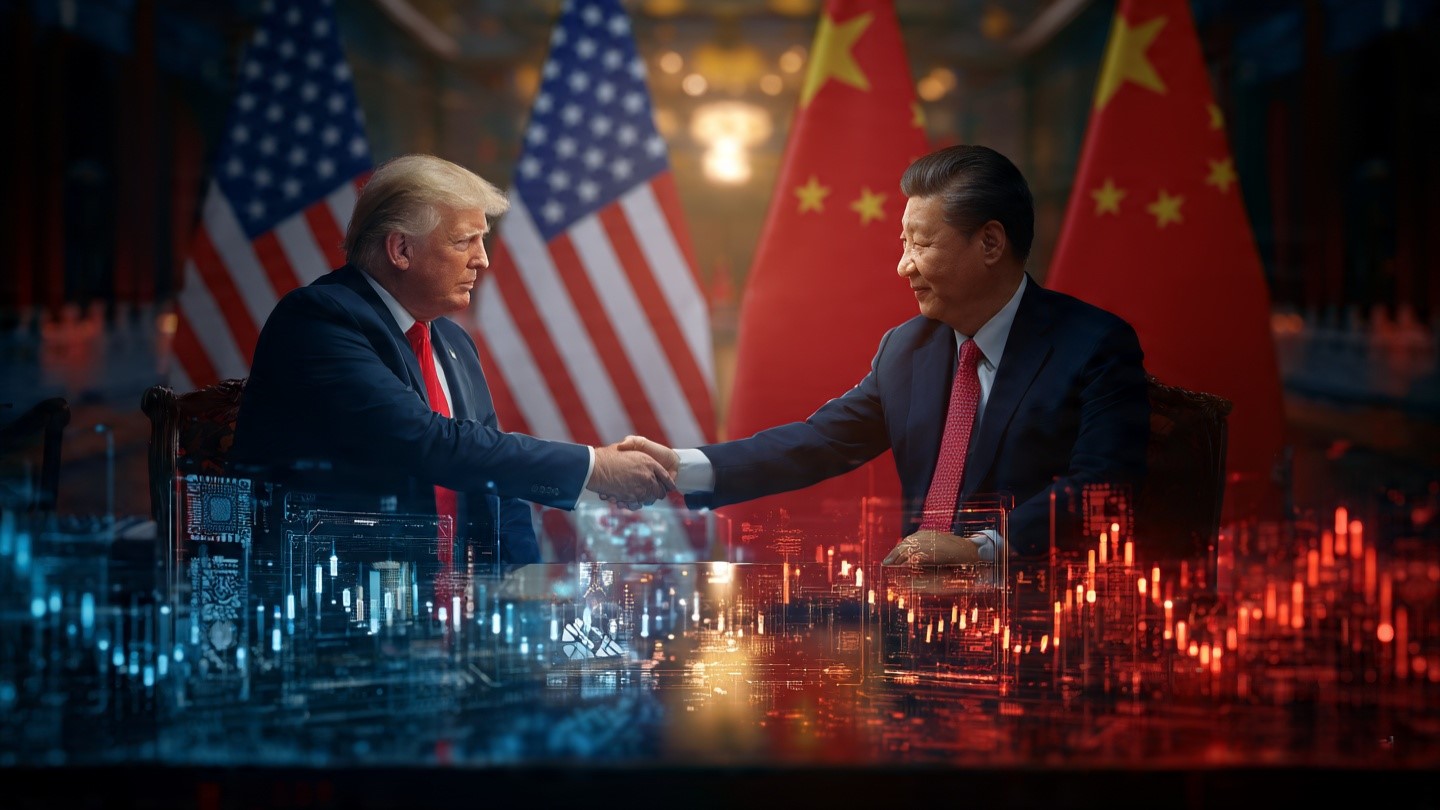 The world’s attention is locked on Beijing as Donald Trump and Xi Jinping meet in one of the most significant geopolitical summits of 2026. At a time when global tensions are rising across trade, technology, and international diplomacy, the meeting between the leaders of the world’s two largest economies has become the biggest global news story dominating headlines worldwide.
The summit represents far more than a routine diplomatic meeting. It comes during a period of increasing rivalry between the United States and China over economic dominance, semiconductor technology, artificial intelligence, Taiwan, and global strategic influence. Investors, governments, and multinational corporations are closely analyzing every statement emerging from Beijing because the outcome of these talks could reshape the future global balance of power.
One of the primary issues on the agenda is trade tensions. Over recent years, tariffs, export restrictions, and supply chain disruptions have significantly strained relations between Washington and Beijing. The United States has pushed to reduce dependence on Chinese manufacturing while encouraging domestic production of critical technologies and infrastructure. China, meanwhile, has expanded economic partnerships across Asia, Africa, and the Middle East while strengthening its own manufacturing and industrial capabilities.
Artificial intelligence and semiconductor restrictions are also central to the discussions. AI has become one of the most strategically important technologies in the world, with both countries competing aggressively for leadership. The U.S. government has introduced restrictions targeting advanced chip exports and semiconductor manufacturing equipment in an effort to slow China’s technological advancement. China, however, continues investing heavily in domestic semiconductor production and next-generation computing infrastructure to reduce reliance on foreign technology.
Technology companies worldwide are watching the summit closely. Firms involved in semiconductors, AI infrastructure, cloud computing, and advanced manufacturing understand that any shift in U.S.–China policy could dramatically affect supply chains, market growth, and global investment strategies. Even minor changes in trade restrictions or technology agreements could impact trillions of dollars in global economic activity.
Taiwan remains another highly sensitive topic. China continues to consider Taiwan part of its sovereign territory, while the United States maintains strategic support and defense cooperation with the island. Rising military activity and geopolitical rhetoric surrounding Taiwan have intensified international concerns over Indo-Pacific stability. Analysts believe discussions surrounding Taiwan could influence military strategies and diplomatic relations throughout Asia for years to come.
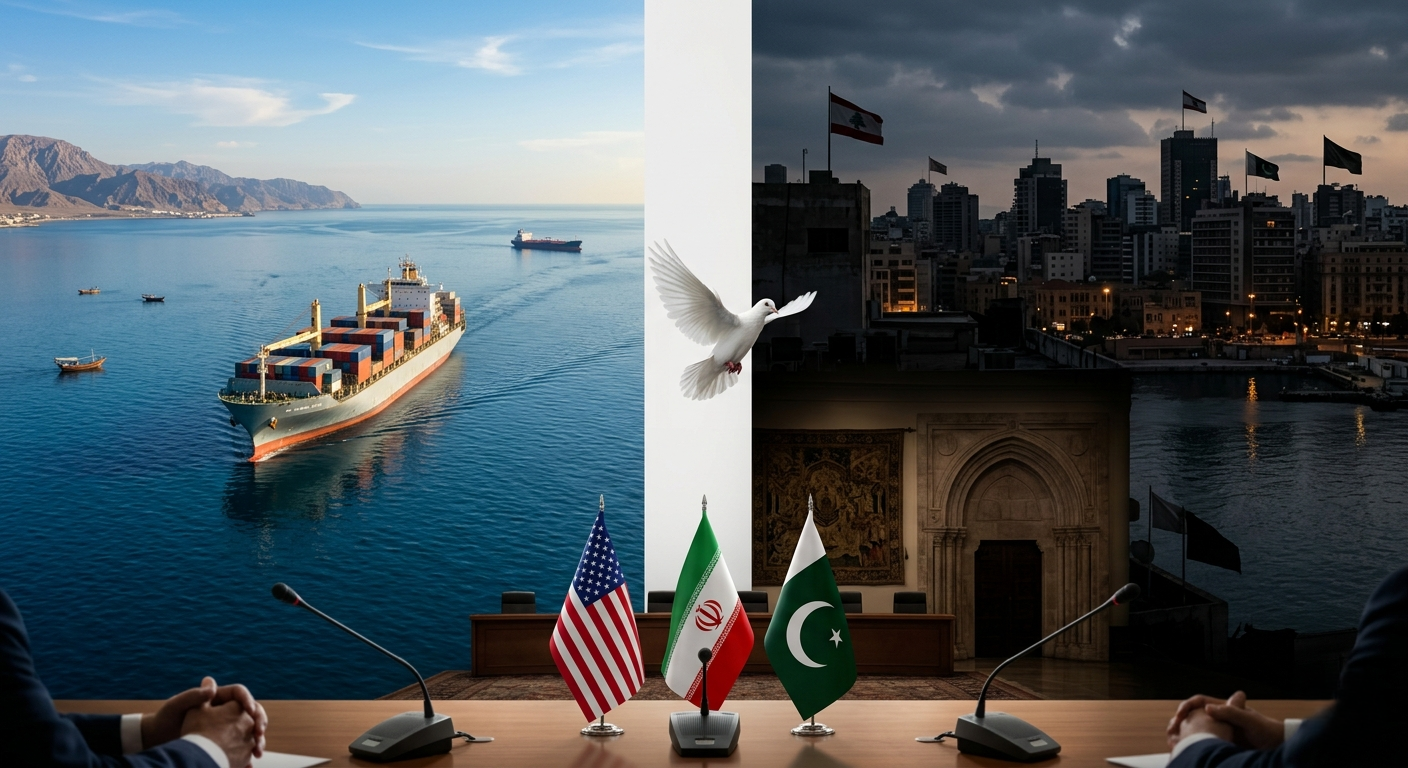
Iran diplomacy also emerged as a key point of discussion during the summit. China has expanded economic and diplomatic ties with Iran, while the United States remains focused on limiting Tehran’s regional influence and maintaining pressure through sanctions and strategic alliances. Cooperation or disagreement between Beijing and Washington regarding Iran could influence global energy markets, oil prices, and Middle Eastern stability.
During the summit, Xi Jinping reportedly emphasized that the United States and China should be “partners, not rivals,” signaling Beijing’s interest in reducing economic confrontation while preserving strategic competitiveness. Donald Trump, meanwhile, hinted that Washington may consider easing some technology restrictions if broader trade and diplomatic progress can be achieved. These comments immediately sparked reactions across international stock markets and financial institutions.
The significance of the Beijing summit extends beyond economics and diplomacy. It reflects a deeper global struggle for technological, military, and geopolitical influence. Both nations are competing to shape the future of global trade, digital infrastructure, energy systems, and international governance. The rivalry between the United States and China is increasingly defining the direction of the 21st century.
Despite rising tensions, global leaders and economists continue urging cooperation between the two superpowers. Prolonged confrontation could weaken global economic growth, disrupt supply chains, and increase geopolitical instability. As a result, the summit is viewed as a critical opportunity to reduce tensions while maintaining strategic competition.
Social media platforms, financial analysts, and international media networks continue to amplify worldwide interest in the summit, making it one of the most closely followed political events of the year. Every handshake, statement, and negotiation detail is being examined for signs of future policy shifts.
In conclusion, the Trump–Xi Beijing summit is not just another diplomatic meeting—it is a defining geopolitical moment. As trade tensions, technological competition, and global alliances evolve, the decisions made in Beijing could influence international politics, markets, and global stability for years to come.