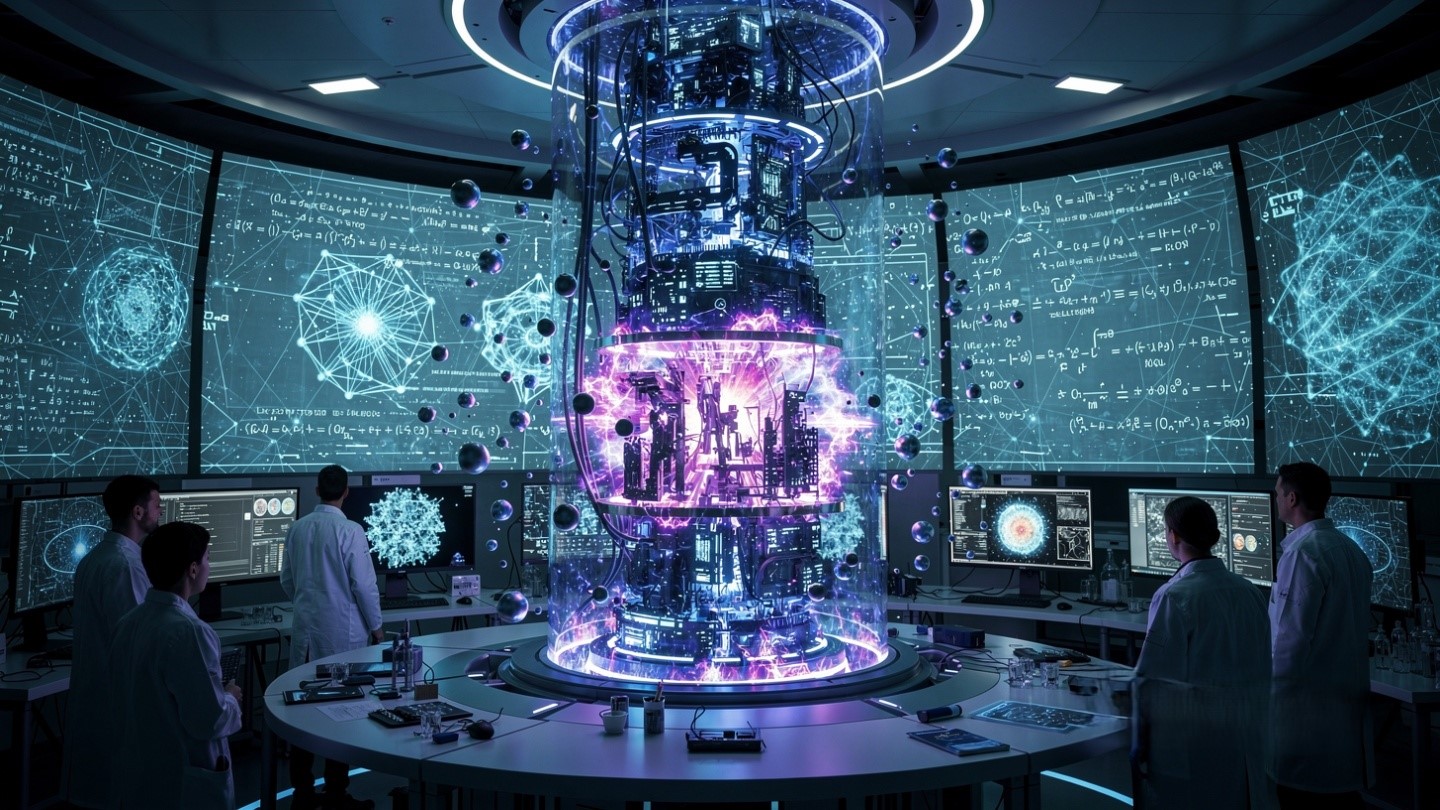

Robotics & Humanoid AI
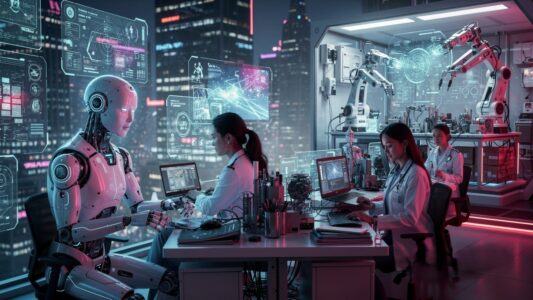 The next major technological revolution may not arrive through smartphones or software alone—it could walk, talk, and work alongside humans. Around the world, technology companies and robotics startups are investing billions into humanoid robots and AI-powered automation systems capable of transforming industries and daily life. From warehouse operations and healthcare support to household assistance and advanced manufacturing, robotics combined with artificial intelligence is quickly becoming one of the most talked-about innovation trends globally.
The rapid progress in humanoid robotics is being driven by advances in artificial intelligence, machine learning, sensors, and computing power. Modern robots are no longer limited to repetitive industrial tasks. AI-enabled systems can now recognize environments, understand voice commands, navigate complex spaces, and even adapt to changing situations in real time. This new generation of robotics is designed to interact more naturally with people and perform tasks that previously required human flexibility and judgment.
Several major technology companies are accelerating development in this sector. Firms focused on AI infrastructure and automation are investing heavily in robotics research, while startups are introducing increasingly advanced humanoid machines designed for commercial use. Viral demonstration videos showing robots walking, lifting objects, assisting workers, and interacting with humans have fueled enormous public fascination across social media platforms.
Warehouse automation has become one of the earliest large-scale applications for robotics and AI integration. E-commerce and logistics companies are deploying intelligent robots capable of sorting inventory, transporting goods, and assisting with fulfillment operations. These systems help businesses increase efficiency, reduce operational costs, and address labor shortages in physically demanding environments.
Healthcare is another area experiencing rapid transformation through robotics innovation. AI-powered robotic assistants are being developed to support elderly care, rehabilitation, patient monitoring, and hospital logistics. In some cases, robotic systems are already helping healthcare workers manage repetitive tasks, allowing medical professionals to focus more directly on patient care. Experts believe robotics could play a crucial role in addressing aging populations and healthcare workforce shortages globally.
The rise of household robotics is also gaining momentum. Companies are exploring robots capable of cleaning homes, assisting with daily routines, and providing personalized support for families. As AI systems become more advanced, consumer-focused robots may eventually evolve into intelligent companions capable of understanding human behavior, managing schedules, and interacting naturally through voice and visual recognition.
One of the key reasons robotics is trending worldwide is its potential impact on labor and the global economy. Businesses increasingly see automation as essential for improving productivity and maintaining competitiveness in rapidly evolving markets. Manufacturing facilities are integrating robotic systems capable of operating continuously with high precision, while service industries are experimenting with AI-driven customer support and autonomous delivery systems.
However, the expansion of robotics also raises major questions about the future of work. Economists and policymakers are debating how automation may affect employment across industries. While robotics could eliminate certain repetitive jobs, it is also expected to create new opportunities in engineering, AI development, maintenance, robotics operations, and advanced manufacturing. Many experts argue that workforce adaptation and reskilling will become critical priorities in the coming decade.
Artificial intelligence remains the central force enabling the robotics revolution. AI allows robots to process vast amounts of data, recognize patterns, and improve performance through continuous learning. Combined with improvements in computer vision and natural language processing, robotics systems are becoming increasingly capable of operating autonomously in dynamic environments.
Governments and investors are closely monitoring the robotics industry as competition intensifies globally. Countries including the United States, China, Japan, and South Korea are investing heavily in robotics innovation to secure leadership in future industries. Robotics is now viewed not only as a commercial opportunity but also as a strategic technology linked to economic growth and national competitiveness.
Despite the excitement, challenges remain. Safety standards, ethical concerns, cybersecurity risks, and regulatory frameworks are still evolving. Questions surrounding privacy, AI decision-making, and human-machine interaction continue to shape debates about the future role of robotics in society.
Still, the momentum behind humanoid AI and robotics continues to accelerate. The combination of intelligent software and physical automation is creating possibilities that once belonged only to science fiction. As robots become more capable and integrated into everyday environments, the world is entering a new era where AI-powered machines could fundamentally reshape how humans live and work.
In conclusion, robotics and humanoid AI represent one of the most transformative innovation trends of the modern era. As technology companies push the boundaries of automation and intelligence, the fusion of AI and robotics is set to redefine labor, manufacturing, healthcare, and daily life in ways the world is only beginning to imagine.