
Formula 1 Global Popularity Surge
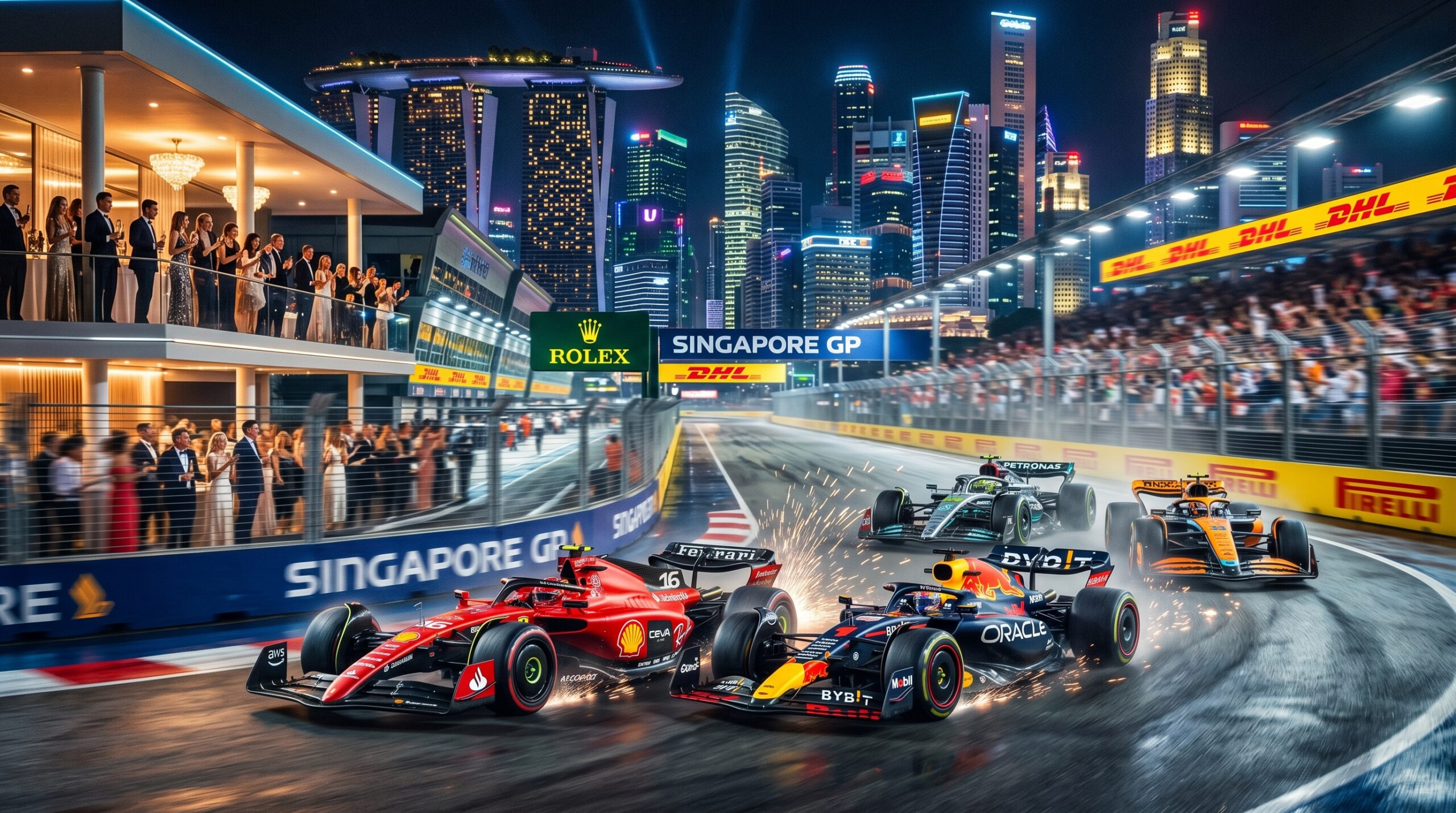 Formula One is experiencing one of the biggest popularity booms in modern sports history. Once considered a niche motorsport followed mainly in Europe, Formula 1 has transformed into a global entertainment powerhouse driven by young talent, fierce rivalries, luxury branding, and celebrity culture. In 2026, the Formula 1 World Championship has become one of the most talked-about sports stories worldwide, attracting millions of new fans across social media, streaming platforms, and international markets.
A major reason behind the sport’s explosive growth is the rise of a new generation of young drivers challenging the dominance of established champions and top teams. Emerging talents are bringing unpredictability and excitement to the championship battle, creating dramatic storylines that are drawing younger audiences into the sport. Fans are closely following the next generation of racing stars as they battle elite teams and experienced world champions on some of the world’s most iconic circuits.
At the same time, top Formula 1 teams are introducing major technical upgrades in an increasingly competitive environment. Legendary racing giants such as Mercedes-AMG Petronas Formula One Team, Scuderia Ferrari, McLaren Formula 1 Team, and Oracle Red Bull Racing continue investing heavily in aerodynamics, engine performance, tire management, and advanced simulation technologies. Every race weekend now feels like a battle not only between drivers but also between engineering teams pushing the limits of innovation and speed.
Formula 1’s rapid expansion is also tied to its transformation into a global lifestyle and entertainment brand. Grand Prix weekends are no longer just sporting events—they have become luxury entertainment experiences attracting celebrities, influencers, billionaires, musicians, and global business leaders. Events such as the Miami Grand Prix, Las Vegas Grand Prix, and Monaco Grand Prix have become cultural spectacles blending sports, fashion, nightlife, and social media influence into one massive global event.
The role of digital media has been crucial in Formula 1’s worldwide rise. Social media platforms, streaming services, and behind-the-scenes content have helped make the sport more accessible than ever before. Fans can now follow driver personalities, team strategies, and race-day drama in real time, creating stronger emotional connections with the sport. Viral clips, onboard camera footage, and dramatic team radio moments regularly dominate sports conversations online.
The success of Formula 1’s entertainment-focused approach has also attracted major global sponsors and investors. Luxury brands, technology companies, airlines, and financial institutions are investing heavily in Formula 1 partnerships due to the sport’s expanding international audience and premium global image. Sponsorship deals and media rights agreements continue reaching record values, reinforcing Formula 1’s position as one of the world’s most commercially successful sports.
Technology remains another defining element of Formula 1’s popularity. The sport serves as a testing ground for advanced engineering innovations involving hybrid power units, sustainable fuels, aerodynamics, data analytics, and simulation systems. Many technologies developed in Formula 1 eventually influence consumer automotive engineering, making the championship an important driver of innovation within the global automotive industry.
The championship’s global expansion strategy is also fueling growth. Formula 1 continues adding races in major international markets while increasing engagement in regions such as the United States, the Middle East, and Asia. This worldwide reach has transformed Formula 1 into a truly global sports phenomenon rather than a regionally concentrated championship.
However, the increasing commercialization of Formula 1 has also sparked debate among longtime fans. Some critics argue that the sport risks prioritizing entertainment and celebrity culture over traditional racing heritage. Others believe Formula 1’s modernization is necessary for attracting younger audiences and maintaining long-term growth in an increasingly competitive sports market.
Despite these debates, Formula 1’s popularity continues reaching new heights. The combination of elite competition, cutting-edge technology, luxury branding, and digital storytelling has created one of the most exciting sports entertainment products in the world today.
In conclusion, Formula 1’s global popularity surge reflects far more than just racing success. The championship has evolved into a global cultural and commercial phenomenon that blends sports, innovation, entertainment, and luxury into a unique worldwide experience. As new stars emerge and competition intensifies, Formula 1’s influence on global sports culture is only expected to grow stronger in the years ahead.