
Iran–Israel Conflict and U.S.–Iran Diplomacy: Why the World Is Watching the Middle East
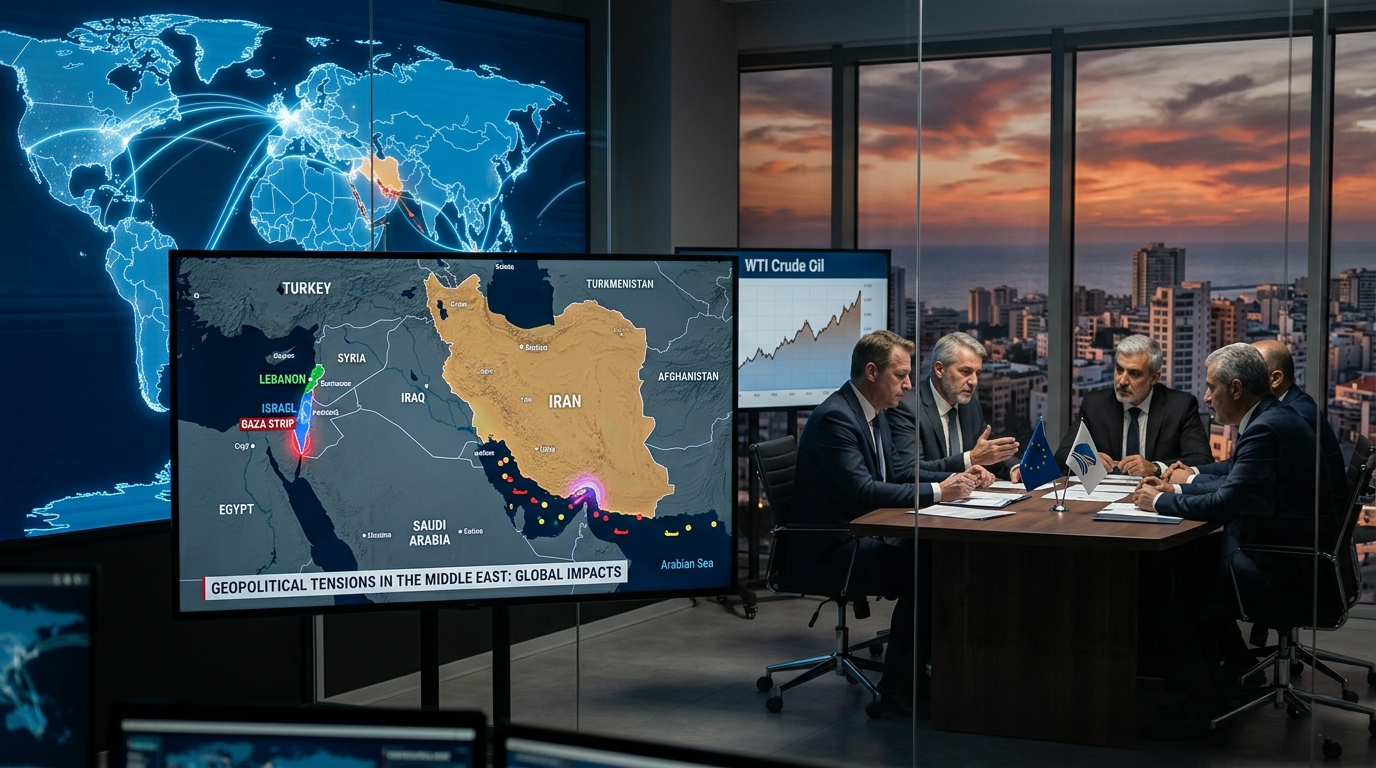 The Middle East has once again become the center of global attention as tensions involving Iran, Israel, Lebanon, and Gaza continue to shape international headlines. At the same time, diplomatic efforts between the United States and Iran have emerged as a critical factor in determining whether the region moves toward de-escalation or faces further instability.
For governments, businesses, investors, and security analysts worldwide, developments in the Middle East are more than regional events. The outcome could influence global energy markets, international trade routes, financial stability, and geopolitical relations for years to come.
As world leaders intensify diplomatic engagement, the region remains one of the most closely watched areas on the planet.
Why the Middle East Matters to the Global Economy
The Middle East plays a central role in global energy production and international commerce. Several of the world’s largest oil and natural gas producers are located in the region, making stability a critical concern for international markets.
Whenever geopolitical tensions rise, investors immediately assess the potential impact on energy supplies and transportation networks. Even the possibility of disruptions can trigger volatility in commodity markets and influence economic forecasts worldwide.
This is why developments involving Iran, Israel, and neighboring countries often extend far beyond regional borders.
The Strategic Importance of the Strait of Hormuz
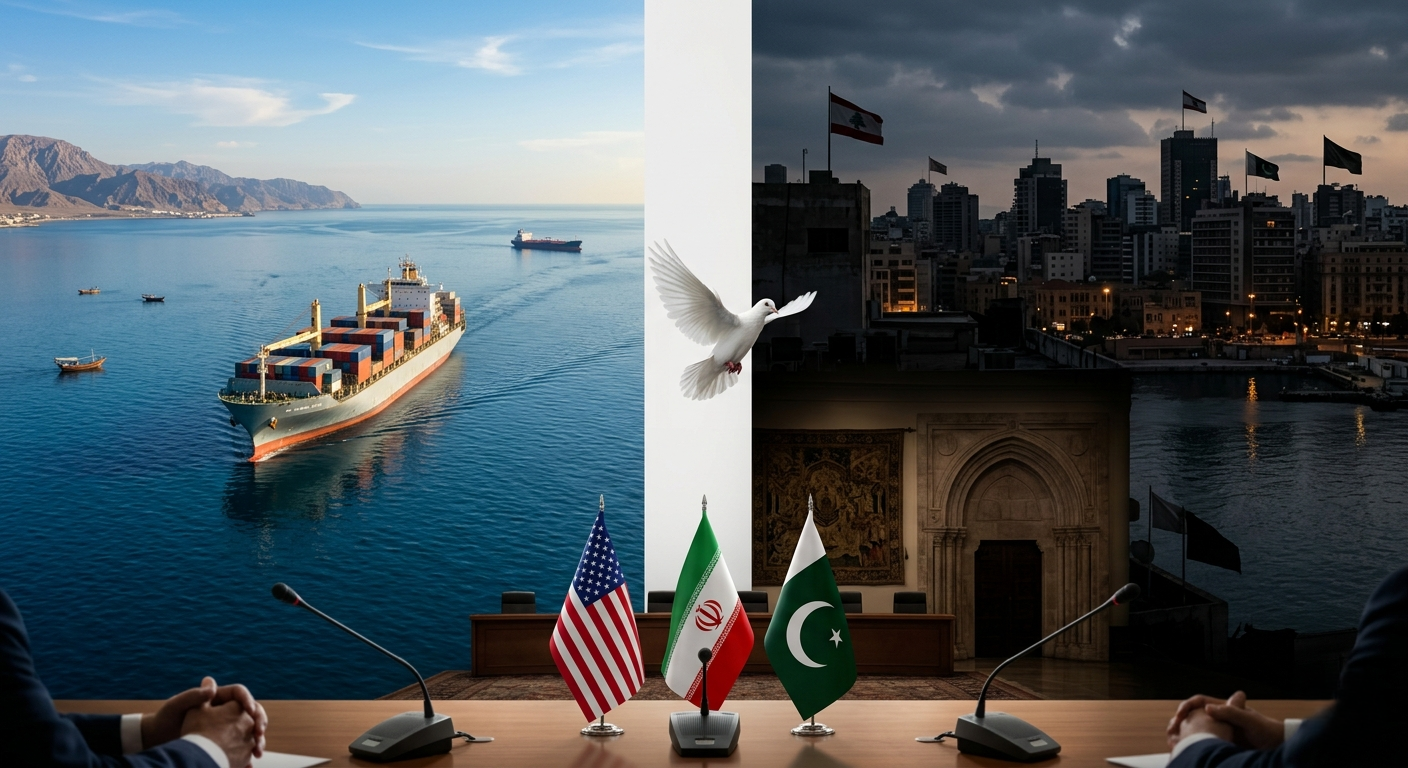
One of the most important factors driving international concern is the Strait of Hormuz.
This narrow maritime passage serves as one of the world’s most critical energy corridors. A significant share of global oil exports and liquefied natural gas shipments pass through these waters each day.
Any threat to shipping activity in the area can affect global energy supplies and influence oil prices almost immediately. Energy companies, governments, and financial institutions closely monitor the region because uninterrupted access to these routes remains essential for global economic stability.
The Strait of Hormuz continues to be viewed as one of the most strategically important chokepoints in international trade.
U.S.–Iran Diplomacy Gains Global Attention
Amid ongoing tensions, diplomatic engagement between the United States and Iran has become a major focus of international discussions.
Policymakers are exploring pathways that could reduce tensions, strengthen regional stability, and prevent broader conflict. Recent diplomatic initiatives have been viewed by many observers as important opportunities to encourage dialogue and reduce uncertainty.
While significant challenges remain, negotiations are increasingly seen as a vital mechanism for avoiding escalation and supporting long-term regional security.
The success or failure of these efforts could have far-reaching consequences for global markets and international relations.
Oil Prices and Market Reactions
Energy markets remain highly sensitive to developments in the Middle East.
Whenever concerns arise about supply disruptions, traders often react by adjusting expectations for future oil availability. This can lead to price fluctuations that affect transportation, manufacturing, logistics, and consumer spending around the world.
Higher energy prices can contribute to inflationary pressures and increase operating costs for businesses. As a result, central banks, investors, and policymakers continue to monitor the situation closely.
For many economies, energy security remains closely tied to geopolitical stability.
Security and Humanitarian Concerns
Beyond economic implications, the conflict also raises important humanitarian and security issues.
International organizations continue to call for diplomatic solutions, civilian protection, and efforts aimed at reducing violence. The situation has prompted renewed discussions about regional cooperation, conflict resolution, and long-term peace initiatives.
Security experts warn that sustained instability could have broader implications for international security, migration patterns, and humanitarian assistance efforts.
Looking Ahead
The coming months will be critical for the future of the Middle East. Diplomatic efforts, security developments, and economic considerations are all shaping the direction of events in the region.
For businesses, governments, and investors, the stakes remain high. Decisions made by regional leaders and international partners could influence everything from oil prices and trade flows to geopolitical alliances and global economic confidence.
As the world watches closely, the Iran–Israel conflict and U.S.–Iran diplomacy have become defining issues in the international landscape of 2026.