
Digital Trust, Deepfakes & Misinformation: The New Challenge of the AI Era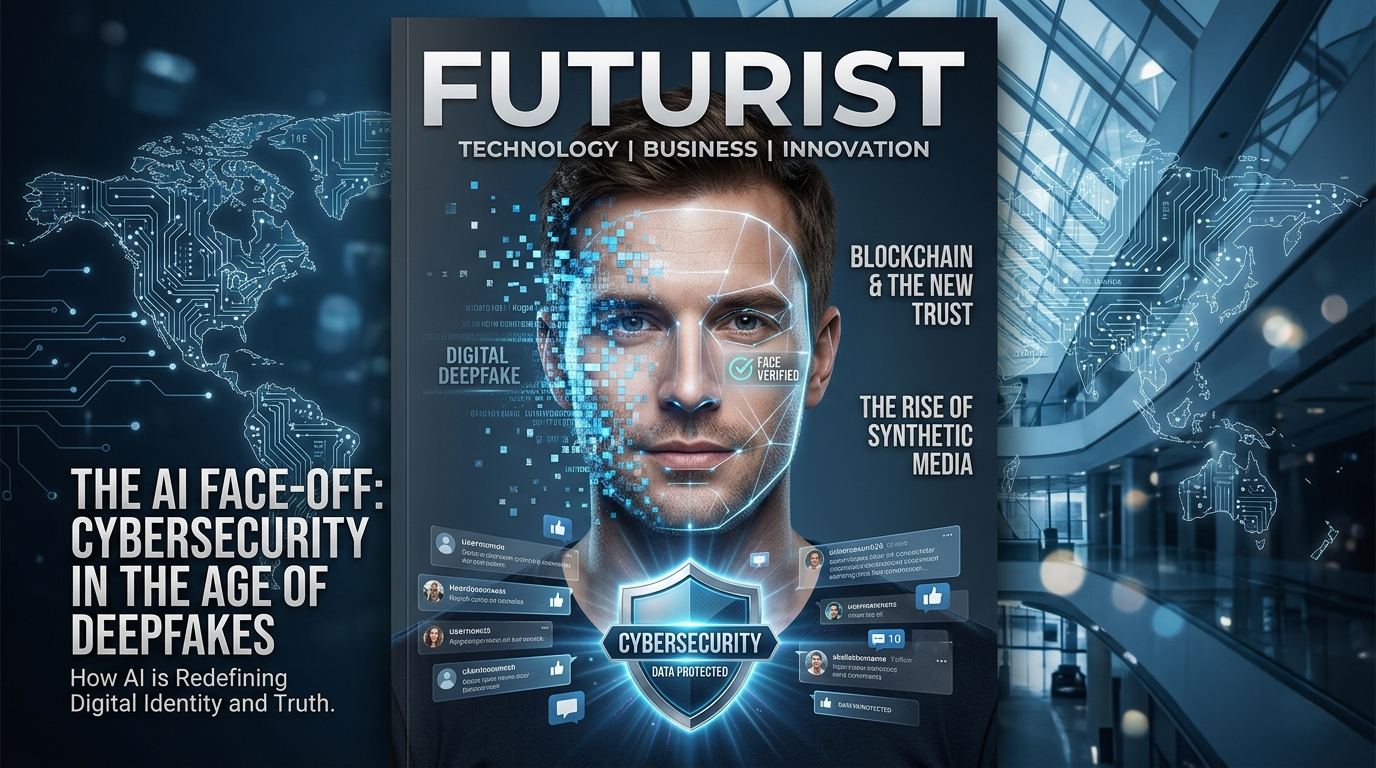 Artificial intelligence is transforming how people create, consume, and share information. From generating realistic images and videos to producing human-like text in seconds, AI has unlocked unprecedented opportunities for innovation. However, as these technologies become more powerful and accessible, a new challenge has emerged: maintaining digital trust in an increasingly synthetic world.
Today, governments, technology companies, media organizations, and cybersecurity experts are grappling with the rapid growth of deepfakes and AI-generated misinformation. The concern is not merely technological—it is about protecting public trust, safeguarding institutions, and preserving confidence in the information ecosystem that powers modern society.
The Rise of Deepfake Technology
Deepfakes use artificial intelligence to create highly realistic digital content that can imitate real people, voices, and events. What began as a niche technological experiment has evolved into a sophisticated tool capable of generating convincing videos, audio recordings, and images.
Advances in generative AI have dramatically improved the quality of synthetic media. As a result, distinguishing authentic content from manipulated material is becoming increasingly difficult, even for trained professionals.
While deepfake technology has legitimate uses in entertainment, education, and content production, it has also raised concerns about misuse, deception, and digital manipulation.
Why Digital Trust Matters
Trust is the foundation of the digital economy.
Consumers rely on online information to make purchasing decisions. Investors use digital data to evaluate financial opportunities. Citizens depend on credible information to participate in public discussions and democratic processes.
When people begin to question whether content is real or artificially generated, confidence in digital communication can weaken. This erosion of trust may affect businesses, governments, financial markets, and social institutions alike.
Experts increasingly warn that the challenge of the next decade may not be information scarcity, but information credibility.
The Growing Threat of AI-Generated Misinformation
AI tools now have the ability to create large volumes of realistic content at unprecedented speed.
False narratives, manipulated media, fabricated news reports, and impersonated voices can spread rapidly through social media platforms and online communities. Because synthetic content often appears authentic, misinformation can reach millions before corrections are issued.
This creates significant challenges during elections, public emergencies, financial events, and major global crises where accurate information is essential.
The scale and efficiency of AI-generated content have transformed misinformation from a manual effort into an automated and highly scalable process.
Governments and Regulators Respond
Around the world, policymakers are working to address emerging risks associated with deepfakes and AI-generated media.
Regulatory proposals include transparency requirements, content labeling systems, digital authentication standards, and penalties for malicious misuse of synthetic content. Several governments are also exploring legislation requiring platforms to identify AI-generated material and improve content verification processes.
The objective is to protect consumers and institutions while allowing innovation to continue.
However, creating effective regulations remains challenging due to the rapid pace of technological advancement and the global nature of digital platforms.
Technology Companies Build New Safeguards
Leading technology companies are investing heavily in tools designed to improve digital trust.
These efforts include content watermarking, AI-generated content detection systems, verification technologies, cryptographic authentication, and partnerships with fact-checking organizations. Many platforms are also developing methods to provide greater transparency regarding how content is created and distributed.
Industry leaders increasingly recognize that trust and safety will become critical competitive advantages in the AI era.
The ability to verify authenticity may soon become as important as the ability to create content itself.
Looking Ahead
Artificial intelligence will continue to reshape communication, business, and society. The challenge facing the world is not whether AI-generated content will become more common—it undoubtedly will.
The real question is whether governments, businesses, and technology companies can build systems that preserve trust while embracing innovation.
As deepfakes become more sophisticated and misinformation techniques evolve, digital trust may become one of the most valuable assets of the modern economy. The decisions made today regarding AI governance, transparency, and accountability could determine how confidently societies navigate the digital future.
In an age where seeing is no longer believing, trust itself may become the world’s most important currency.