

Major Earthquakes Shake Communities Across the Globe: Rising Concerns Over Natural Disaster Preparedness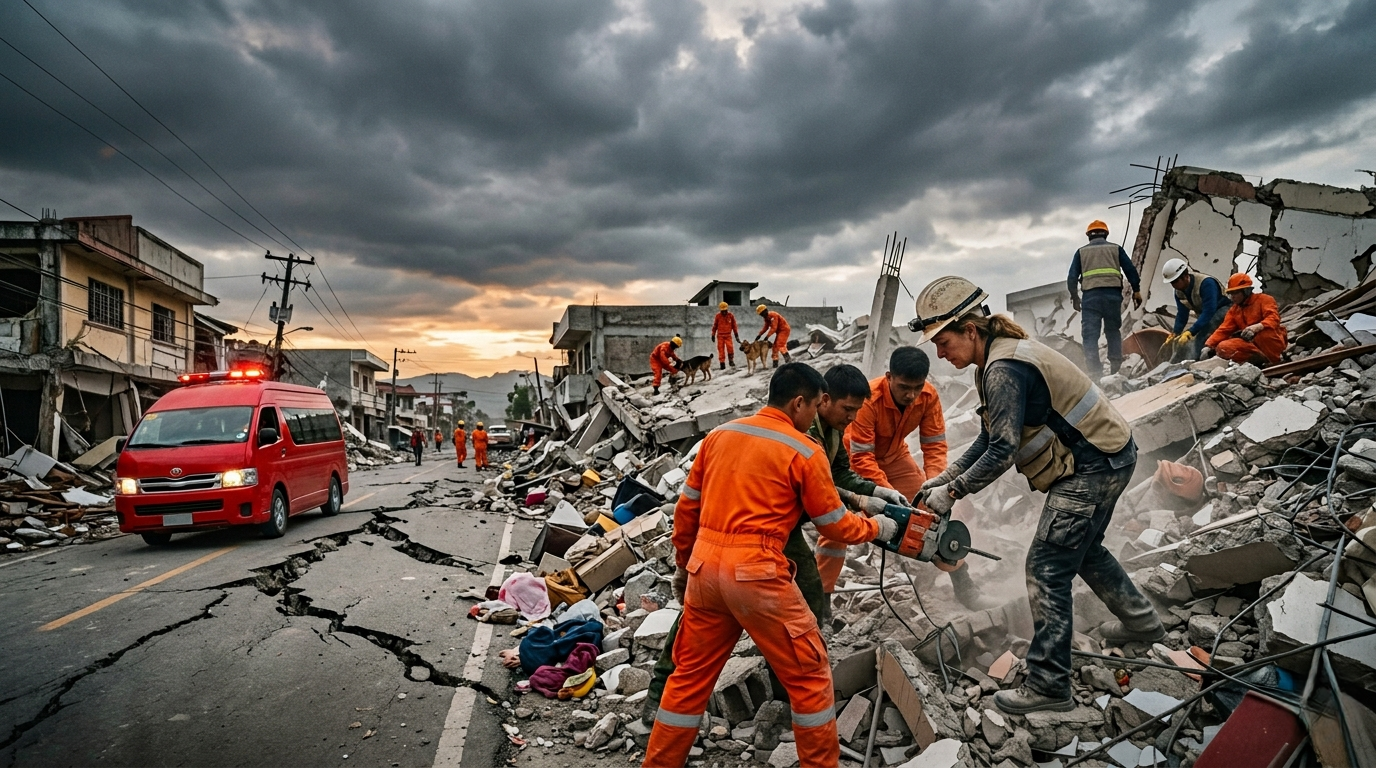 Several regions around the world have recently experienced significant seismic activity, placing natural disasters back at the forefront of global attention. Earthquakes reported in parts of the Philippines and Cuba have resulted in casualties, damaged infrastructure, and disrupted daily life for thousands of residents. The events have once again highlighted the importance of disaster preparedness, emergency response systems, and resilient infrastructure in vulnerable regions.
In the Philippines, emergency officials responded rapidly after strong tremors were felt across multiple provinces. Residents rushed outdoors as buildings swayed and power outages affected several communities. Local authorities initiated evacuation procedures in high-risk areas while emergency teams conducted structural inspections to assess damage.
The Philippines is situated along the Pacific Ring of Fire, one of the world’s most seismically active regions. As a result, earthquakes and volcanic activity remain recurring challenges for the nation. Experts continue to stress the need for earthquake-resistant construction and public awareness programs designed to reduce risks during future seismic events.
Meanwhile, Cuba also experienced significant earthquake activity that damaged homes, roads, and public facilities. Rescue workers and local authorities mobilized quickly to provide assistance to affected communities. Temporary shelters were established for displaced families while engineers evaluated the safety of critical infrastructure.
Natural disasters such as earthquakes often create challenges that extend beyond the initial event. Damage to transportation networks, communication systems, healthcare facilities, and utilities can significantly affect recovery efforts. In many cases, rebuilding communities requires months or even years of coordinated support from governments, humanitarian organizations, and international partners.
Global disaster response agencies continue to emphasize the importance of early warning systems, emergency preparedness education, and investment in resilient infrastructure. Modern technology has improved earthquake monitoring capabilities, allowing scientists to better understand seismic patterns and provide faster alerts to authorities and the public.
Climate experts and disaster management professionals note that while earthquakes are not linked to climate change, the increasing frequency of extreme weather events worldwide has intensified discussions about overall disaster resilience. Governments are increasingly adopting comprehensive emergency management strategies that address multiple types of natural hazards.
Humanitarian organizations have also called for stronger international cooperation to support affected regions. Relief efforts typically include emergency medical assistance, food distribution, temporary housing, and psychological support for survivors coping with trauma and loss.
As recovery efforts continue in both the Philippines and Cuba, these events serve as a reminder of nature’s unpredictability and the critical importance of preparedness. Investments in resilient infrastructure, public safety education, and rapid response capabilities remain essential for protecting communities from future disasters.
While scientists cannot yet predict earthquakes with precision, advancements in monitoring technology and emergency planning continue to improve the ability of governments and organizations to respond effectively when disaster strikes. The recent earthquakes underscore a universal lesson: preparedness, coordination, and community resilience are among the strongest defenses against natural catastrophes.