
Climate Change and Extreme Weather: Why the World Is Facing a New Reality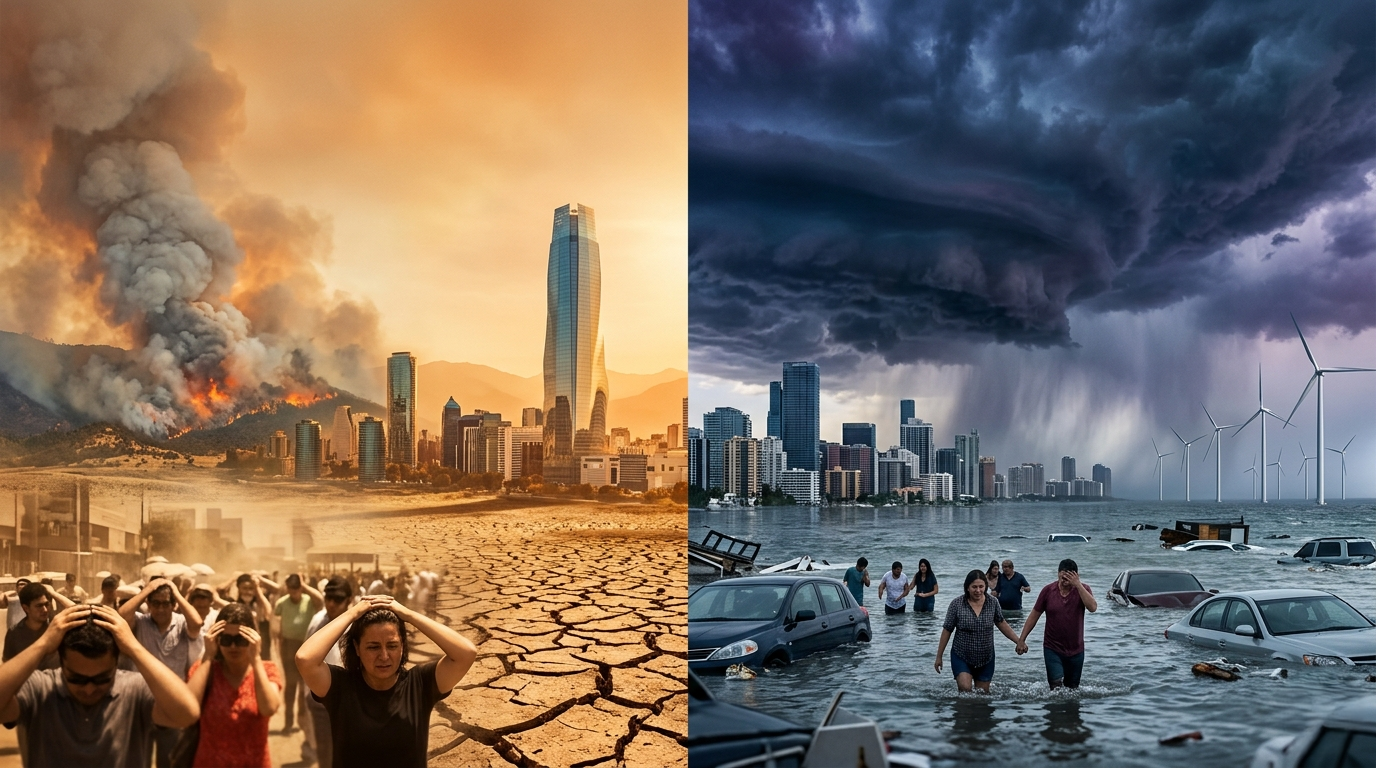 Climate change has become one of the defining challenges of the 21st century. Across continents, governments, scientists, businesses, and communities are confronting a growing number of extreme weather events that are transforming economies, disrupting infrastructure, and reshaping daily life.
From record-breaking heatwaves and prolonged droughts to severe flooding and powerful storms, the effects of climate change are becoming increasingly visible. What was once considered an environmental concern is now recognized as a major economic, social, and geopolitical issue.
As global temperatures continue to rise, experts warn that climate adaptation is no longer optional—it is becoming essential.
The Rise of Extreme Weather
Recent years have witnessed an increase in extreme weather events around the world. Many regions have experienced unprecedented heatwaves, while others have faced devastating floods, wildfires, and severe storms.
Scientists explain that warmer global temperatures can intensify weather patterns by increasing atmospheric moisture, altering rainfall cycles, and extending periods of extreme heat. These changes can have far-reaching consequences for agriculture, water resources, public health, and energy systems.
For millions of people, extreme weather is no longer an occasional disruption but an increasingly common reality.
Heatwaves Become a Global Concern
Among the most visible effects of climate change are prolonged and intense heatwaves.
Cities across Europe, Asia, North America, and other regions have recorded temperatures that challenge historical records. Rising temperatures not only affect comfort but also create significant health risks, particularly for vulnerable populations such as the elderly, children, and outdoor workers.
Heatwaves can also place enormous pressure on electricity grids as demand for cooling systems increases. In some areas, energy providers have struggled to meet demand during periods of extreme heat, highlighting the need for resilient infrastructure.
Economic Consequences of Climate Change
Climate change is increasingly viewed as an economic issue rather than solely an environmental one.
Extreme weather events can disrupt supply chains, damage transportation networks, reduce agricultural output, and increase insurance costs. Businesses are being forced to assess climate-related risks as part of their long-term planning strategies.
Industries such as agriculture, tourism, construction, and energy are particularly vulnerable to changing weather patterns. Governments are also facing rising costs associated with disaster response, infrastructure repairs, and climate adaptation projects.
According to economic analysts, the financial impact of climate-related events is expected to grow significantly over the coming decades.
The Role of Climate Adaptation
As climate risks increase, many countries are investing in adaptation measures designed to reduce vulnerability.
These efforts include upgrading flood defenses, improving water management systems, expanding renewable energy infrastructure, modernizing urban planning, and developing heat-resilient communities.
Businesses are also adopting strategies to strengthen operational resilience and protect critical assets from weather-related disruptions.
Climate adaptation is increasingly viewed as a necessary investment that can help reduce long-term economic and social costs.
Looking Ahead
While efforts to reduce greenhouse gas emissions remain essential, the world is also preparing for the reality that some climate impacts are already underway.
The challenge facing governments, businesses, and communities is not only preventing future warming but also adapting to a changing environment. Success will depend on innovation, international cooperation, and strategic investment in resilient infrastructure and sustainable development.
As climate change continues to influence weather patterns around the globe, its impact will extend beyond environmental concerns to shape economic growth, public policy, and business decisions for years to come.
The conversation is no longer about whether climate change is occurring. The focus now is how societies can respond effectively to one of the most significant challenges of our time.