
Middle East Tensions and the Iran Factor: Why the World Is Closely Watching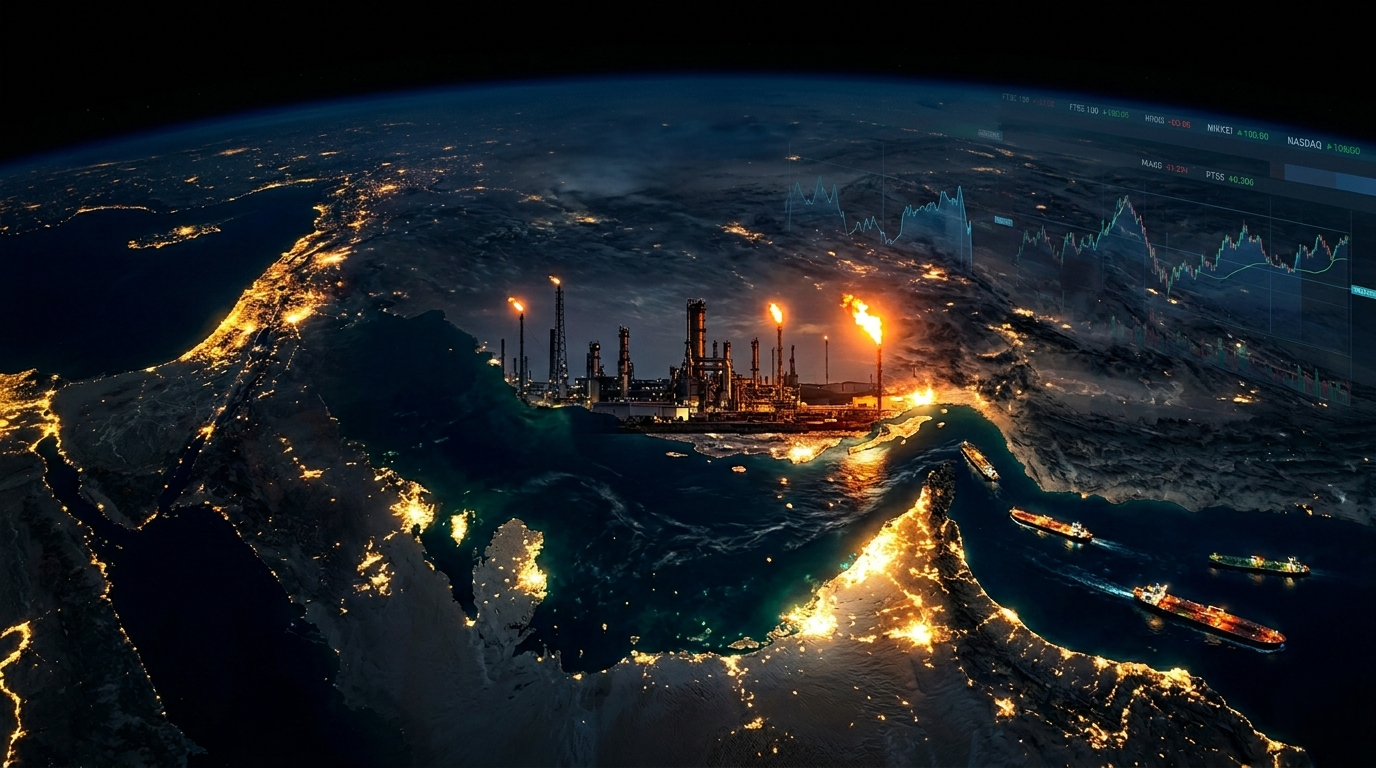 The Middle East has once again become the focal point of global attention as tensions involving Iran, Israel, Lebanon, and Gaza continue to shape international headlines. While regional conflicts have long influenced global politics, the current situation carries significant implications for energy markets, international trade, diplomacy, and economic stability.
Governments, investors, and multinational corporations are monitoring developments closely, recognizing that events in the Middle East often extend far beyond the region itself. In an interconnected global economy, instability in one of the world’s most strategically important areas can have ripple effects across continents.
Why Iran Remains Central to the Crisis
Iran occupies a critical position in Middle Eastern geopolitics. As one of the region’s largest economies and a major energy producer, its actions influence both regional security and global markets.
Over the years, Iran’s relationships with neighboring countries, Western governments, and international organizations have been marked by periods of cooperation and confrontation. Today, growing concerns over security, military activity, and diplomatic relations have placed the country at the center of international discussions.
For policymakers worldwide, understanding Iran’s role is essential to assessing the future direction of the broader Middle East conflict.
The Importance of the Strait of Hormuz
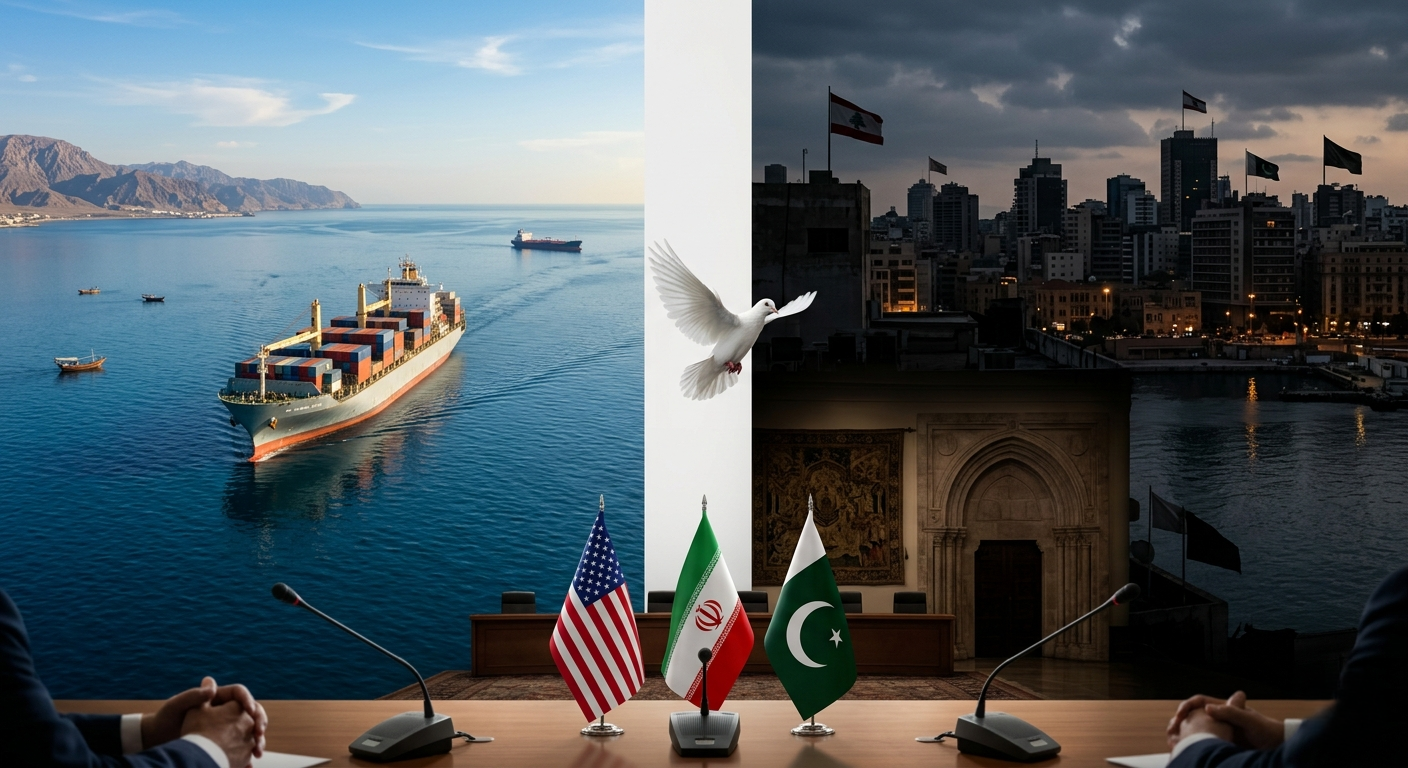
One of the primary reasons global markets are paying close attention is the Strait of Hormuz, a narrow waterway connecting the Persian Gulf to international shipping routes.
A significant portion of the world’s oil and liquefied natural gas exports passes through this corridor every day. Any disruption to shipping traffic could impact global energy supplies and trigger immediate reactions in financial markets.
Energy analysts often describe the Strait of Hormuz as one of the most strategically important maritime routes in the world. Even the possibility of disruptions can influence oil prices and investor sentiment.
Impact on Global Oil Markets
The energy sector remains particularly sensitive to developments in the Middle East.
Whenever geopolitical tensions rise, traders and investors assess potential risks to supply chains. Higher uncertainty often leads to increased oil price volatility, which can affect transportation costs, manufacturing expenses, and consumer prices worldwide.
For businesses, rising energy costs can reduce profitability and contribute to inflationary pressures. For consumers, higher fuel prices often translate into increased costs for goods and services.
This explains why stock markets, central banks, and economic institutions closely monitor every major development emerging from the region.
Humanitarian and Diplomatic Challenges
Beyond economics, the human cost of ongoing conflict remains a major concern. International organizations continue to call for humanitarian assistance, civilian protection, and diplomatic engagement to reduce tensions.
The situation has prompted renewed efforts by governments and global institutions to encourage dialogue and prevent further escalation. Diplomatic negotiations remain ongoing, though reaching lasting solutions continues to be challenging.
Many experts believe that long-term stability will require both political compromise and regional cooperation among key stakeholders.
What Happens Next?
Predicting the future of Middle East tensions is difficult. The region’s complex political landscape means that developments can evolve rapidly.
However, one thing remains clear: the outcome will have consequences far beyond the Middle East. Energy markets, global trade networks, financial institutions, and governments around the world will continue to watch closely.
As geopolitical uncertainty persists, the region remains one of the most influential factors shaping the global economic and political landscape in 2026. Whether through diplomacy, economic cooperation, or conflict management, the decisions made in the coming months could impact millions of people and influence international affairs for years to come.