Skip to content
FIFA World Cup 2026: The Global Event Capturing the World’s Attention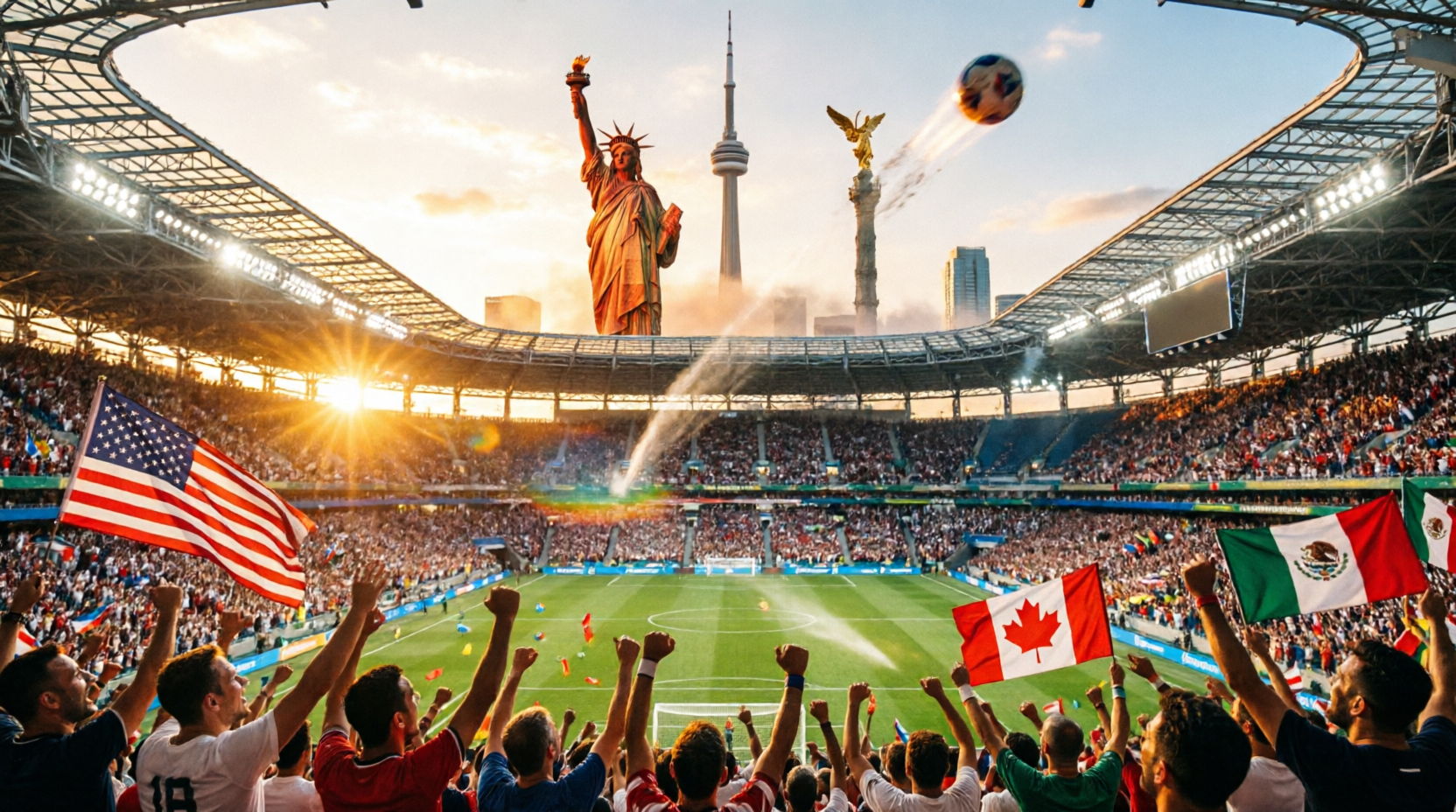 The countdown to the FIFA World Cup 2026 has officially begun, and excitement is building across the globe. Set to be hosted jointly by the United States, Canada, and Mexico, the tournament is already generating significant attention from fans, businesses, governments, and investors alike.
As the largest FIFA World Cup ever organized, the 2026 edition will feature 48 national teams competing across multiple cities in North America. This expansion marks a historic milestone for international football and is expected to attract record-breaking audiences both inside stadiums and through global broadcasts.
A New Era for Global Football
The FIFA World Cup has long been regarded as the world’s most-watched sporting event, bringing together billions of viewers from every continent. The 2026 tournament is expected to raise the bar even higher.
The expanded format will allow more nations to participate, giving emerging football countries an opportunity to compete on the sport’s biggest stage. Fans worldwide are eagerly following qualification campaigns as teams battle for a place in the tournament.
Football analysts believe the increased number of teams will create new rivalries, unexpected storylines, and memorable moments that could define a new generation of international football.
Massive Infrastructure Investments
One of the most significant aspects of World Cup preparation is infrastructure development. Host cities across North America are investing heavily in stadium upgrades, transportation systems, tourism facilities, and public services.
Major airports are expanding capacity, public transit systems are being improved, and hospitality sectors are preparing for millions of international visitors. These projects are expected to leave long-term economic benefits long after the final whistle is blown.
Urban planners view the World Cup as an opportunity to accelerate modernization efforts while showcasing host cities on a global stage.
Economic Opportunities for BusinessesThe FIFA World Cup is not just a sporting spectacle—it is also an economic powerhouse.
Industries including travel, hospitality, retail, technology, broadcasting, and advertising are expected to benefit significantly. Global brands are already launching marketing campaigns to connect with football fans ahead of the tournament.
Analysts predict that the combined economic impact across the three host nations could reach billions of dollars through tourism, sponsorships, media rights, merchandise sales, and event-related spending.
For businesses, the World Cup presents a rare opportunity to reach a truly global audience.
Fan Engagement Reaches New Heights
Technology is transforming how fans experience football. From mobile applications and interactive content to virtual experiences and AI-powered engagement, supporters now have more ways than ever to connect with their favorite teams.
Social media platforms continue to play a major role in building excitement around the tournament. Players, clubs, sponsors, and football organizations are using digital channels to engage audiences and create anticipation months before kickoff.
The result is a global conversation that extends far beyond the stadiums themselves.
Looking Ahead
As qualification matches continue and preparations intensify, FIFA World Cup 2026 is shaping up to be one of the most significant sporting events in history.
With expanded participation, record-breaking audiences, major economic opportunities, and unprecedented fan engagement, the tournament represents far more than football. It serves as a celebration of culture, competition, and global unity.
For millions of fans around the world, the road to 2026 has already begun—and anticipation is only growing stronger with each passing day.