
FIFA World Cup 2026: The Tournament Set to Transform Global Sports and Business
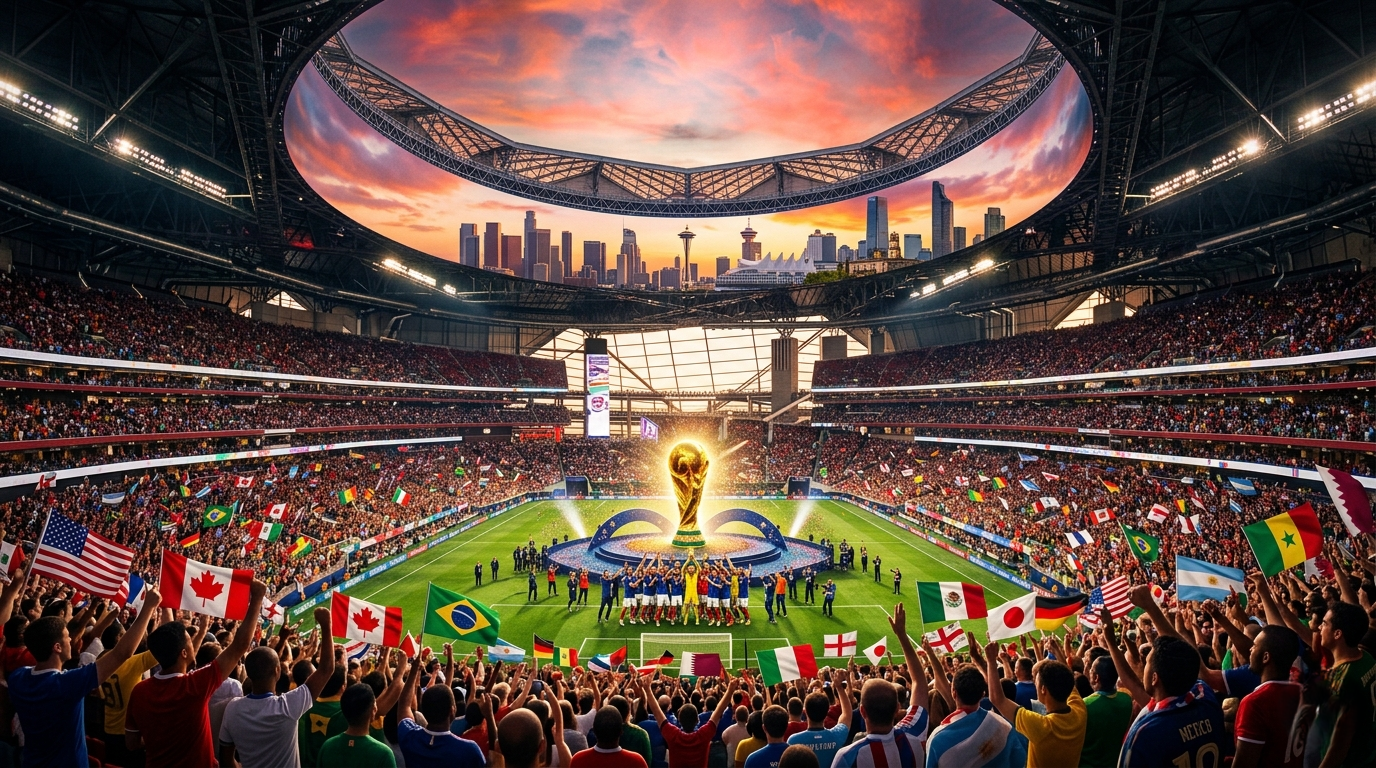 The countdown to FIFA World Cup 2026 is accelerating, and anticipation is building across every corner of the globe. Scheduled to take place across the United States, Canada, and Mexico, the tournament promises to be the largest and most ambitious World Cup in football history.
For the first time, 48 national teams will compete in the tournament, expanding opportunities for countries worldwide while increasing the event’s global reach. Beyond football, the competition is becoming a powerful driver of economic activity, tourism growth, infrastructure development, and international business opportunities.
As host cities finalize preparations, FIFA World Cup 2026 is already emerging as one of the most significant global events of the decade.
A Historic Expansion for Global Football
The 2026 World Cup marks a new era for international football. The expansion from 32 to 48 participating teams means more matches, more fans, and greater representation from emerging football nations.
This change is expected to increase viewership and engagement worldwide. For many countries, qualification represents a chance to participate on football’s biggest stage for the first time, creating excitement among fans and generating unprecedented international interest.
Sports analysts believe the expanded format will introduce fresh rivalries, unexpected storylines, and new opportunities for football’s next generation of stars.
Tourism Set to Reach Record Levels
One of the biggest beneficiaries of the World Cup will be the tourism industry.
Millions of international visitors are expected to travel across North America during the tournament. Hotels, airlines, restaurants, transportation providers, and entertainment venues are preparing for a surge in demand as fans follow their national teams across multiple host cities.
Tourism experts predict that the event could generate billions of dollars in visitor spending throughout the United States, Canada, and Mexico. Beyond immediate economic gains, the tournament also provides host destinations with long-term exposure to global travelers.
For many cities, the World Cup serves as an opportunity to showcase local culture, attractions, and investment potential to a worldwide audience.
Infrastructure Investments Shape the Future
Preparing for a tournament of this scale requires significant infrastructure improvements.
Host cities are investing in stadium modernization, airport expansions, public transportation upgrades, security systems, and digital connectivity. These projects are designed not only to support the World Cup but also to provide lasting benefits for residents and businesses.
Urban planners often describe mega sporting events as catalysts for modernization. Improvements made today can enhance economic competitiveness and quality of life long after the tournament concludes.
As a result, FIFA World Cup 2026 is helping accelerate development initiatives across multiple regions.
Brands Compete for Global Attention
The World Cup is also one of the world’s most valuable marketing platforms.
Global corporations are investing heavily in sponsorship agreements, advertising campaigns, digital activations, and fan experiences. The tournament offers brands access to billions of viewers across television, streaming platforms, and social media channels.
Technology companies, sportswear manufacturers, beverage brands, financial institutions, and telecommunications providers are expected to play a major role in shaping the fan experience.
For businesses, few events offer comparable opportunities for international visibility and consumer engagement.
The Rise of Digital Fan Engagement
Technology continues to transform how fans interact with football.
Social media platforms, mobile applications, artificial intelligence, augmented reality experiences, and live-streaming services are helping supporters connect with teams and players like never before.
Fans can now follow real-time updates, participate in interactive experiences, and engage with content from anywhere in the world. This digital transformation is expanding the World Cup’s influence far beyond stadium attendance.
Looking Ahead
As preparations intensify, FIFA World Cup 2026 is becoming much more than a sporting competition. It represents a convergence of sports, business, technology, tourism, and global culture.
With record participation, unprecedented commercial opportunities, and worldwide fan engagement, the tournament is poised to become one of the most influential events in modern sports history.
For football enthusiasts, businesses, and host nations alike, the road to FIFA World Cup 2026 is already shaping the future of the global sports industry.