Skip to content
The Shadow of the Atom: AI and the “New Cold War” at the 2026 NPT Review
 The halls of the UN are echoing with a warning that many hoped was a relic of the 20th century. UN officials opened the 2026 NPT Review Conference this week with a sobering assessment: nuclear rhetoric has not only made a comeback—it has become a primary tool of modern statecraft.
However, unlike the Cold War of the 1960s, the 2026 crisis is being defined by a new, invisible player: Autonomous Decision-Making Systems.
The AI Command Crisis: “Launch on Algorithm”
The most trending—and terrifying—theme of the 2026 conference is the integration of Artificial Intelligence into nuclear command-and-control (NC2) systems. For decades, the “Human-in-the-Loop” principle was the bedrock of nuclear safety. Today, as global powers race to decrease “decision time” in response to hypersonic missile threats, that loop is shrinking.
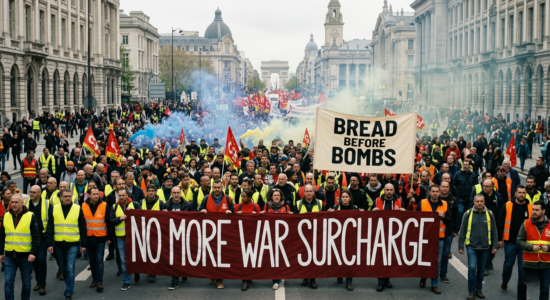
Younger activists, led by the Generation Zero coalition, have occupied the plaza outside the UN, protesting what they call “Launch on Algorithm.” Their fear is that an AI-driven early warning system could misinterpret a non-threatening event—such as a satellite malfunction or a cyber-spoofing attack—as a first strike, triggering an automated retaliatory response before a human leader can intervene.
The Erosion of Taboos
The conference comes at a time when the “nuclear taboo”—the international norm against the use of nuclear weapons—is under unprecedented strain. Diplomatic observers point to three primary drivers of this erosion:
Tactical Normalization: The increased talk of using “low-yield” tactical nuclear weapons in regional conflicts has lowered the psychological threshold for nuclear use.
Hypersonic Proliferation: The deployment of missiles that can strike targets in under ten minutes has essentially eliminated the “diplomatic window” during a crisis.
The Collapse of New START: With the final expiration of major arms control treaties, there are currently no active limits on the nuclear arsenals of the world’s two largest superpowers.
The Activist Surge: A New Generation’s Fear
Unlike the anti-nuclear movements of the 1980s, the 2026 movement is digitally native and focused on the intersection of cyber-security and nuclear safety. Activists are demanding a “Global AI-Nuclear Ban,” a proposed treaty that would legally prohibit the use of autonomous systems in deciding to launch nuclear weapons.
“My generation grew up with AI in our pockets, so we know better than anyone how often it ‘hallucinates’ or glitches,” said one 19-year-old delegate from the International Campaign to Abolish Nuclear Weapons (ICAN). “Putting an AI in charge of the apocalypse isn’t progress; it’s a death sentence.”
The Diplomatic Gridlock
Inside the conference rooms, the mood is grim. Traditional nuclear-armed states remain hesitant to sign onto broad AI bans, citing the need for “technological parity” with adversaries. The “Non-Aligned Movement” (NAM) of non-nuclear states is growing increasingly frustrated, accusing the big powers of ignoring their disarmament obligations under Article VI of the NPT.
Conclusion
The 2026 NPT Review Conference is a crossroads for humanity. As UN Secretary-General Antonio Guterres warned in his opening remarks, “The world is one miscalculation, one glitch, one algorithm away from catastrophe.”
The goal for the next three weeks in New York isn’t just to prevent the spread of weapons, but to re-humanize a system that is rapidly becoming automated. In the age of AI, the ultimate “fail-safe” remains a human heart and a human mind. Whether the diplomats in New York can codify that into a treaty will determine the safety of the next century.