Skip to content
 The world’s attention is firmly fixed on the escalating conflict in the Middle East, where rising tensions involving Iran are rapidly evolving into a crisis with far-reaching global consequences. At the heart of this unfolding situation lies not just geopolitics, but the lifeline of the modern economy—energy.
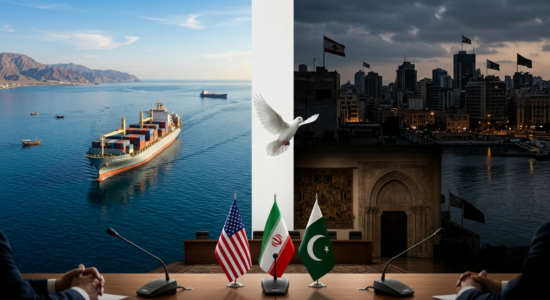
The most critical flashpoint is the Strait of Hormuz, a narrow yet vital waterway through which nearly a fifth of the world’s oil supply passes. Any disruption here has immediate and dramatic implications for global markets. With increasing military posturing and uncertainty in the region, fears of supply interruptions have intensified, pushing energy markets into a state of volatility.
A Crisis Beyond Borders
While the conflict remains geographically concentrated, its impact is undeniably global. Oil prices have already shown signs of instability, and forecasts suggest a potential surge of up to 24% in energy costs throughout 2026. This isn’t just a concern for oil-dependent nations—it affects virtually every country, industry, and consumer.
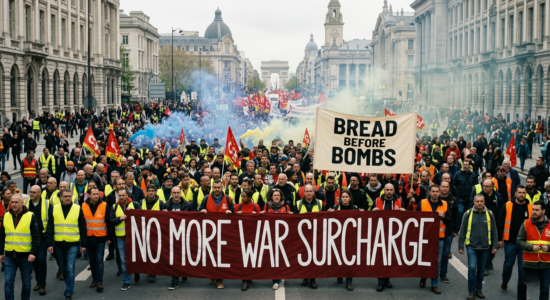
From transportation and manufacturing to agriculture and logistics, energy is deeply embedded in the global economic system. A spike in oil prices translates directly into higher fuel costs, increased production expenses, and ultimately, rising prices for everyday goods. Inflation, already a pressing concern in many economies, could see renewed pressure as energy costs climb.
Ripple Effects Across Industries
The shipping and logistics sectors are among the first to feel the strain. Major global shipping routes depend heavily on stability in the Middle East, and any disruption forces rerouting, delays, and increased operational costs. Airlines, too, face rising fuel expenses, which often lead to higher ticket prices and reduced travel demand.
Businesses worldwide are responding quickly. Companies are reassessing supply chains, exploring alternative energy sources, and hedging against price volatility. Governments, on the other hand, are considering strategic reserves, policy interventions, and diplomatic efforts to stabilize the situation.
For emerging economies, the stakes are even higher. Many rely heavily on imported fuel, making them particularly vulnerable to price shocks. A prolonged crisis could slow economic growth, strain public finances, and widen global inequality.
Markets on Edge
Financial markets have reacted swiftly to the uncertainty. Energy stocks are seeing increased activity, while broader markets remain cautious. Investors are closely monitoring developments, aware that any escalation could trigger further economic instability.
The situation also highlights the fragile balance of global energy dependence. Despite ongoing efforts toward renewable energy, the world still relies heavily on oil and gas—especially in times of crisis. This dependence makes geopolitical tensions in energy-rich regions especially impactful.
Why This Story Dominates Global Headlines
This crisis stands out not just because of the conflict itself, but because of its interconnected impact:
Economic Pressure: Rising fuel prices directly influence inflation and cost of living worldwide
Global Reach: Every nation, whether oil producer or consumer, feels the effects
Business Disruption: Supply chains, transportation, and production are all at risk
Strategic Importance: Control and stability of key routes like the Strait of Hormuz are crucial
In essence, this is not just a regional issue—it is a global economic event unfolding in real time.
Looking Ahead
As the situation continues to develop, the world watches closely. Diplomatic efforts, military decisions, and market reactions will all play a role in shaping the outcome. For now, uncertainty remains the dominant theme.
What is clear, however, is that this crisis underscores a larger reality: in an interconnected world, regional conflicts can quickly become global challenges. The Middle East energy crisis is a powerful reminder of how deeply linked geopolitics and economics truly are.