Skip to content
Iran–U.S.–Israel Tensions Shake Global Markets as Strait of Hormuz Crisis Escalates
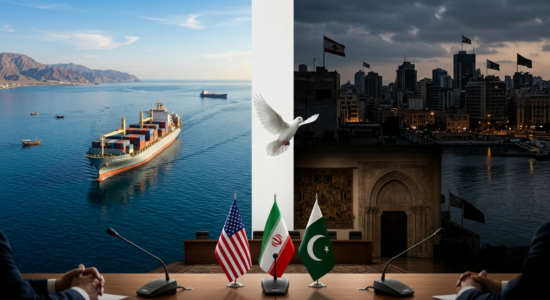
 The world’s attention is once again fixed on the Middle East as rising tensions involving Iran, the United States, and Israel create fears of a wider geopolitical and economic crisis. The strategically vital Strait of Hormuz — one of the most important oil shipping routes on Earth — has become the center of global concern after reports of military activity and growing diplomatic uncertainty.
The Strait of Hormuz handles nearly a fifth of the world’s oil supply, making any disruption a direct threat to global energy markets. Following recent developments in the region, oil prices surged sharply as investors feared interruptions to international shipping routes. Financial markets across Asia, Europe, and North America reacted with volatility, while economists warned of renewed inflation risks if tensions continue escalating.
Reports suggest that diplomatic discussions between Washington and Tehran may still be possible, offering a narrow window for de-escalation. However, military movements and aggressive rhetoric from multiple sides continue to fuel uncertainty worldwide. Analysts say the situation is especially delicate because even minor disruptions in the Gulf region can rapidly affect fuel prices, transportation costs, manufacturing, and global trade.
Energy experts believe the crisis highlights how interconnected the global economy remains with Middle Eastern stability. Countries heavily dependent on imported oil are already preparing contingency plans as traders monitor every development closely. Shipping insurance costs in the Gulf region have reportedly increased, while energy companies remain on alert for further disruptions.
Beyond energy concerns, the geopolitical implications are equally significant. The United States continues balancing its support for Israel while attempting to prevent a broader regional conflict. Iran, meanwhile, has warned against foreign military pressure near its territorial waters. International organizations including the United Nations and NATO are closely observing developments as diplomatic efforts intensify behind the scenes.
The crisis is also dominating online discussions, with social media platforms flooded by debates over global security, oil dependency, and economic vulnerability. Investors, businesses, and governments alike are worried that prolonged instability could trigger another wave of global inflation at a time when many economies are still recovering from recent financial pressures.
Stock markets have become increasingly sensitive to geopolitical headlines, with energy stocks experiencing gains while airline and transportation sectors face uncertainty due to rising fuel costs. Experts warn that if the Strait of Hormuz faces any prolonged blockade or major disruption, the economic consequences could extend far beyond the Middle East.
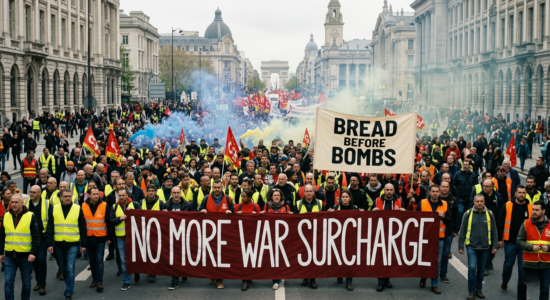
Meanwhile, ordinary consumers worldwide are already feeling anxiety about potential increases in gasoline prices, shipping delays, and higher living costs. Economists note that energy inflation often impacts food prices, logistics, and consumer goods, creating ripple effects across nearly every sector of the economy.
Despite fears of escalation, diplomatic observers remain cautiously hopeful that negotiations could prevent a wider conflict. Global powers are under pressure to stabilize the situation quickly before economic damage deepens further.
For now, the Iran–U.S.–Israel tensions remain one of the most closely watched stories on the planet — a reminder of how geopolitical conflicts in one region can instantly influence markets, governments, and daily life around the world.