Skip to content
The Brink of War: Trump Rejects Iranian Overture as Global Markets Shiver
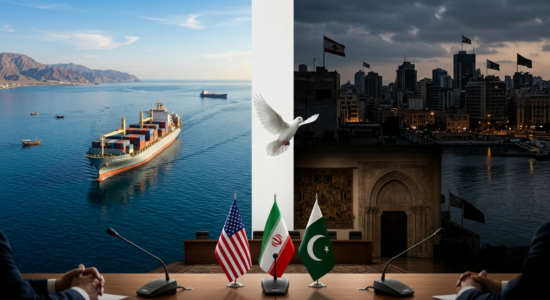
 In a move that has sent shockwaves through the international community, President Donald Trump officially rejected a comprehensive peace proposal from Tehran today, May 2, 2026. The proposal, which was reportedly hand-delivered by Pakistani mediators following weeks of “back-channel” diplomacy, was dismissed by the White House as “insufficient” and “lacking enforceable guarantees.”
The rejection marks a dangerous new phase in the US-Iran standoff, shifting the narrative from cautious diplomacy to a high-stakes military and economic blockade that threatens to reshape the global order.
The Rejected Proposal: Too Little, Too Late?
Details of the Iranian proposal remain partially classified, but sources suggest it included a staged de-escalation of uranium enrichment in exchange for the immediate lifting of energy sanctions. However, President Trump, speaking from the South Lawn of the White House, made his position clear:
“We are not interested in half-measures or ‘wait-and-see’ agreements. Iran knows what it has to do. We want a full, permanent cessation of their nuclear ambitions and an end to their regional destabilization. Until then, the pressure stays on—maximum pressure.”
The $126 Barrel: Global Markets in Freefall
The immediate casualty of the collapsed peace talks has been the global energy market. Within hours of the announcement, Brent Crude surged past $126 a barrel, its highest level in real terms since the early 2020s.
The volatility is driven by the looming threat of a total blockade of the Strait of Hormuz, the world’s most vital oil artery. Trump warned today that any attempt by Iran to disrupt shipping would be met with “unmatched force,” but he also cautioned that the standoff could lead to a maritime shutdown lasting “months, not weeks.”
The “Months-Long” Blockade Strategy
Military analysts are particularly concerned about Trump’s rhetoric regarding the duration of the conflict. By signaling that the U.S. is prepared for a months-long engagement, the administration is effectively telling global markets to prepare for a “new normal” of high energy costs.
The “Strait Standoff” has already seen:
Shipping Insurance Surges: Premiums for tankers traversing the Persian Gulf have increased by 400% in the last 72 hours.
Supply Chain Disruptions: Manufacturers in Europe and Asia are reporting immediate delays in raw material deliveries as vessels take the longer, costlier route around the Cape of Good Hope.
Strategic Reserves: Several G7 nations have begun tapping into their strategic petroleum reserves to stabilize domestic gas prices.
The Diplomatic Vacuum
With the rejection of the Pakistani-mediated deal, the diplomatic path forward has narrowed significantly. Traditional allies in Europe have expressed “grave concern” over the rejection, fearing that without a diplomatic off-ramp, the risk of a “miscalculation” leading to a full-scale kinetic war is at its highest point in decades.
Tehran’s response has been defiant. In a televised address, Iranian officials warned that if they are barred from exporting oil, “no one in the region will be safe to do so.”
Conclusion
As the sun sets on May 2, 2026, the world finds itself in a precarious position. The “Maximum Pressure” campaign has reached its ultimate stress test. With President Trump holding a firm line and oil prices acting as a ticking time bomb for the global economy, the coming days will determine if 2026 will be remembered for a brilliant tactical victory or the start of a catastrophic regional war.
For now, the world watches the horizon of the Persian Gulf, where the next move could change everything.